“A poet walks with history in the veins,
And tomorrow resting on the tongue.”
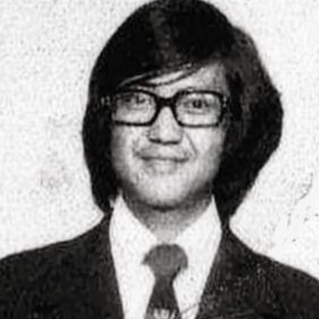
Few poets have captured the emotional and political heartbeat of their homeland as powerfully as Jiwan Theeng, fondly remembered as “Mato Kavi” (Poet of the Soil). Though his life was tragically short, his words continue to echo across generations, shaping the identity of Nepali literature in Sikkim.
A Voice Born from the Land
Born in Namchi, Sikkim, Jiwan Theeng pursued his education at University of North Bengal, where his literary voice began to take form. Deeply connected to his homeland, his writing reflected not only personal emotions but also the socio-political transformations of his time.
The merger of Sikkim with India in 1975 left a profound impact on him, and this historical moment became a recurring theme in his work. His poetry carried a sense of longing, identity, and resistance—giving voice to emotions many felt but could not express.
Literary Contributions
Despite passing away at just 23 years old, Jiwan Theeng created a remarkable body of work that secured his place in literary history.
Major Works:
- “Kashi Jali Rahos” (1972) – His first recognized poem, marking the beginning of his literary journey
- “Sangli Bhittra Bandheko Ghoda Ka Tap Haru” – A powerful collection containing 79 of his poems
- “Narcissus” – An ambitious seven-volume poetic work that remained unfinished
Themes That Defined His Writing
Jiwan Theeng’s poetry is deeply rooted in:
- Love for Sikkim and its identity
- Grief and emotional turmoil following political change
- Voices of the forgotten and marginalized
- A philosophical exploration of self and society
His words were not just poetry—they were a reflection of a generation caught between history and change.
Recognition Beyond Borders
In recognition of his extraordinary contribution to Nepali literature, Jiwan Theeng was posthumously honored with the prestigious Ratna Shri Swarna Padak by the Government of Nepal.
This rare honor highlights the cross-border impact of his work and the universal appeal of his poetic voice.
Legacy That Lives On
Jiwan Theeng passed away in 1978, but his legacy continues to thrive.
His memory is preserved through:
- Jiwan Theeng Marg in Gangtok, named in his honor
- Annual literary celebrations by groups like Chiya Kabita
- Events such as the Mato Kavi Jiwan Theeng Kavita Utsav 2025, celebrating his enduring influence
The Poet of the People
Jiwan Theeng was more than a writer—he was a voice of the land, a witness to history, and a storyteller of emotions too deep for ordinary speech.
His poetry reminds us that literature is not just written—it is lived, felt, and remembered.