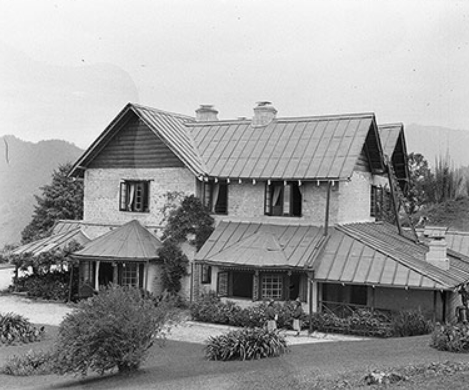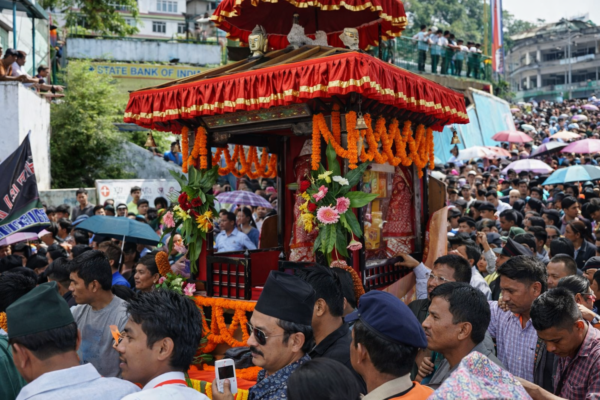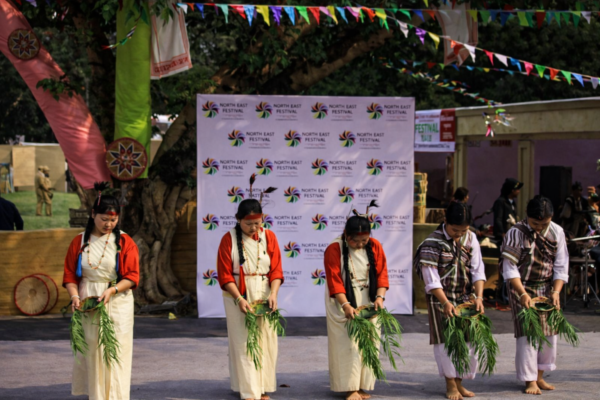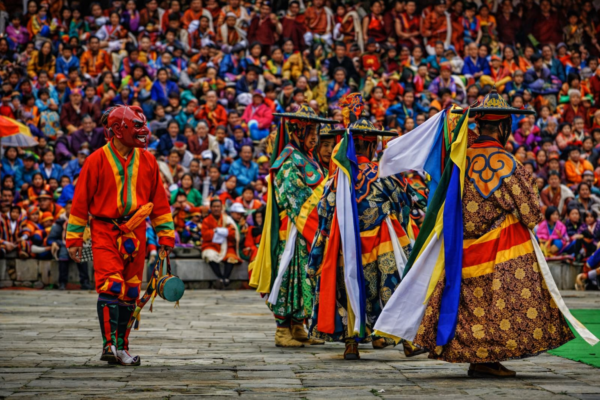


SIKKIM TOURISM: Discovering the Soul of the Eastern Himalayas

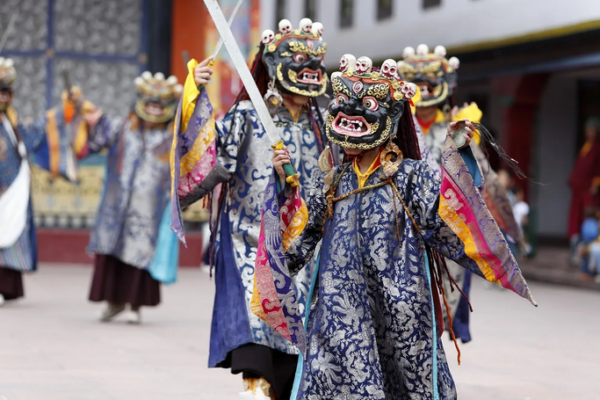
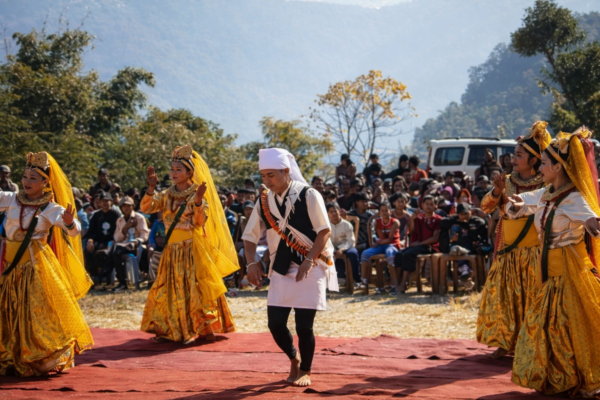
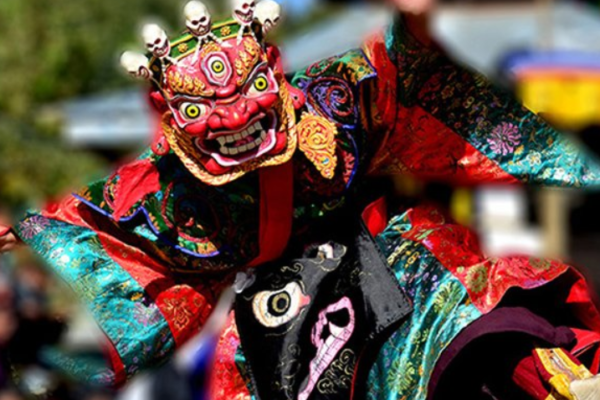
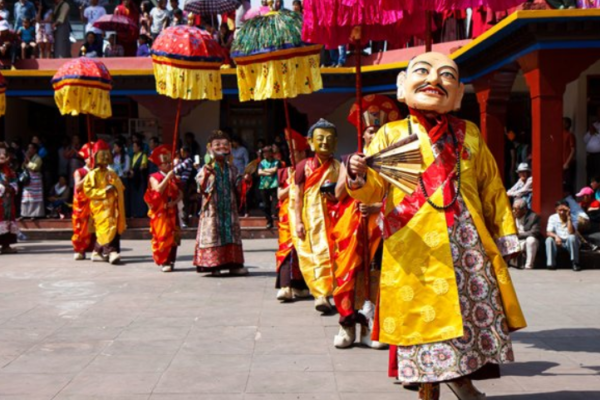
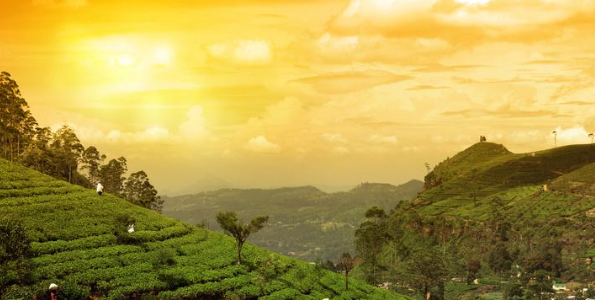
In the heart of the Eastern Himalayas lies a destination where nature speaks in silence, mountains touch the clouds, and culture lives through every prayer flag fluttering in the wind. Sikkim, India’s second smallest state, has emerged as one of the country’s most extraordinary tourism destinations β€” offering a rare blend of breathtaking landscapes, spiritual…
Read More

Zamphel Lepcha: Carving the Soul of Mayel Lyang

A Master Artisan Preserving the Spirit of Lepcha Heritage In the cultural landscape of Sikkim, where tradition and identity are deeply rooted in nature, Zamphel Lepcha stands as a guardian of indigenous artistry. A renowned contemporary master wood artist, his work is not merely craftsmanshipβ€”it is a living expression of the Lepcha worldview, shaped by…

Read More

SIKKIM: From kingdom to a Modern Himalayan state

Sikkim’s journey from its past to the present day is a remarkable story of transformation shaped by monarchy, political change, and integration into modern India. For centuries, Sikkim existed as a small Himalayan kingdom ruled by the Chogyal dynasty, established in 1642, where the monarch was regarded not only as a political ruler but also…

Read More

Chaang Chu Faat: The Harvest Festival of Gratitude and Harmony

In the cultural heart of Sikkim’s indigenous traditions, Chaang Chu Faat stands as a quiet yet deeply meaningful celebration of gratitude, nature, and community. Observed by the Lepcha communityβ€”the original inhabitants of Sikkimβ€”this festival marks the completion of the agricultural cycle and offers thanks for a successful harvest. More than a seasonal event, Chaang Chu…

Read More

Tendong Lho Rum Faat: The Sacred Festival of Nature, Survival, and Gratitude

Among the most profound indigenous celebrations of Sikkim, Tendong Lho Rum Faat stands as a powerful symbol of faith, survival, and harmony with nature. Celebrated annually on August 8, this sacred festival belongs to the Lepcha communityβ€”the original inhabitants of Sikkimβ€”whose spiritual identity is deeply intertwined with the natural world. More than a cultural event,…

Read More

Barahimizong: The Ancestral Folk Festival Preserving Sikkim’s Indigenous Soul

In the quiet villages of Sikkim, beyond the well-known monasteries and grand festivals, lives a deeply rooted cultural tradition known as Barahimizong. Celebrated primarily among the Nepali-speaking Mangar (Rai) community, Barahimizong is a folk-religious festival that reflects ancestral beliefs, nature worship, and spiritual continuity. Unlike mainstream festivals shaped by formal scriptures, Barahimizong survives through oral…

Read More

Saga Dawa: The Sacred Celebration of Compassion and Enlightenment

Among the most spiritually significant observances in the Himalayan Buddhist calendar, Saga Dawa holds a deeply revered place in Sikkim. Celebrated on the full moon day of the fourth lunar month (May–June), this sacred festival honors the birth, enlightenment, and parinirvana of Gautama Buddhaβ€”all believed to have occurred on the same auspicious day. Saga Dawa…

Read More