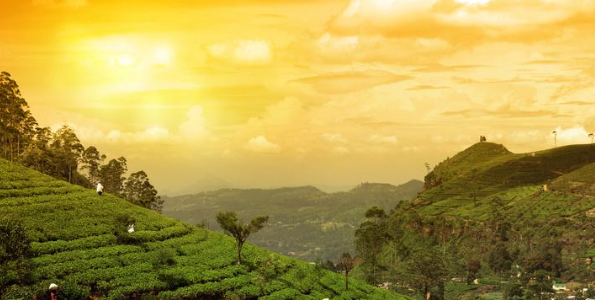
Indra Jatra: The Festival of Rain, Faith, and Harvest

Rooted in the agricultural rhythms of Himalayan life, Indra Jatra is a traditional celebration observed by the Nepali community in Sikkim. Dedicated to Lord Indra, the festival reflects a deep connection between nature, farming, and spiritual belief.

Celebrated typically around the late monsoon period, Indra Jatra is a time when communities come together to seek blessings for rainfall, agricultural prosperity, and protection of cropsβ€”essentials for survival in a region closely tied to the land.

Mythological and Cultural Significance

In Hindu mythology, Lord Indra is revered as:

  • The god of rain and thunderstorms
  • The ruler of heaven (Swarga)
  • A protector of crops and fertility

For agrarian communities, rainfall is not just weatherβ€”it is life itself. Indra Jatra symbolizes the belief that divine forces influence natural cycles, and honoring them ensures balance and abundance.

A Festival of Prayer and Gratitude

At its heart, Indra Jatra is both a prayer for rain and a thanksgiving for nature’s blessings.

Devotional Intent:

  • Seeking timely and sufficient rainfall
  • Protecting crops from natural calamities
  • Expressing gratitude for agricultural abundance
  • Ensuring prosperity for the coming season

This dual purpose makes the festival deeply meaningful for rural communities.

Rituals and Celebrations

The festival is marked by a blend of spiritual rituals and cultural expressions.

Key Ritual Practices:

  • Offerings made to Lord Indra
  • Community prayers and chanting
  • Symbolic processions in villages
  • Worship conducted by elders and local priests

These rituals are performed with sincerity, reflecting a collective faith in natural harmony.

Folk Music, Dance, and Storytelling

Indra Jatra is also a vibrant cultural event, enriched by traditional performances.

Cultural Highlights:

  • Folk songs celebrating rain and harvest
  • Traditional dances narrating mythological stories
  • Musical instruments enhancing the festive spirit

These performances are not just entertainmentβ€”they are expressions of cultural memory and identity.

Agriculture and Seasonal Importance

The festival is closely tied to the agricultural calendar.

Significance for Farmers:

  • Marks a crucial phase of the farming season
  • Reinforces dependence on natural cycles
  • Encourages hope and collective resilience

In regions where livelihoods depend on rainfall, Indra Jatra becomes a symbol of survival and optimism.

Community and Social Bonding

Indra Jatra strengthens the social fabric of villages.

Community Impact:

  • Brings people together in shared prayer and celebration
  • Reinforces unity and cooperation
  • Creates a sense of collective hope for the future

It transforms individual concerns into a shared community experience.

A Reflection of Himalayan Life

In Sikkim, Indra Jatra represents more than a religious observanceβ€”it reflects a way of life where:

  • Nature is respected and revered
  • Agriculture is central to existence
  • Faith and survival are interconnected

It highlights how Himalayan communities maintain a delicate balance between belief and environment.

Relevance in Modern Times

Even today, as lifestyles evolve, the essence of Indra Jatra remains relevant:

  • It reminds us of our dependence on nature
  • Encourages sustainable and respectful living
  • Preserves cultural traditions in changing times

The festival continues to be a bridge between tradition and modern awareness.

A Celebration of Life Through Rain

Indra Jatra teaches a simple yet profound truthβ€”that honoring the forces of nature is essential for life to flourish.

It is a celebration where faith meets agriculture, and gratitude meets survival.

β€œIn honoring rain, life is honored.”

Leave a Reply