Bumchu Festival: The Sacred Water Ritual of Sikkim
Among the most mystical and spiritually profound festivals of the Himalayas, Bumchuβalso known as Bhumchuβholds a unique place in Sikkimβs Buddhist traditions. Celebrated annually at the revered Tashiding Monastery, this festival is centered around a sacred ritual involving a holy vase of blessed water.
Observed in February or March, Bumchu is not just a religious eventβit is a moment when faith, prophecy, and nature come together.
The Sacred Origin
The essence of Bumchu lies in a mystical vase believed to have been consecrated by Guru Padmasambhava, one of the most revered figures in Tibetan Buddhism.
This sacred vessel contains holy water that is preserved throughout the year and opened only during the festival, making the ritual deeply significant and rare.
The Ritual of the Holy Vase
The central ceremony of Bumchu revolves around the opening of the sealed vase.
Key Ritual Process:
- Monks ceremonially open the sacred vase
- The level of water inside is carefully observed
- The remaining water is refilled and preserved for the next year
This ritual is performed with great precision and spiritual discipline, drawing devotees from across Sikkim and beyond.
A Divine Prediction for the Year Ahead
One of the most fascinating aspects of Bumchu is its role as a spiritual forecast.
Interpretation of Water Levels:
- Overflowing Water β Sign of prosperity, peace, and abundance
- Balanced Level β Stability and harmony
- Lower Level β Indication of possible challenges or hardships
For centuries, this ritual has been believed to reflect the future well-being of Sikkim, strengthening the bond between faith and destiny.
Blessings for Devotees
After the ritual, devotees receive a small portion of the sacred water.
Believed Benefits:
- Protection from harm
- Healing and well-being
- Spiritual blessings
People preserve this water in their homes as a symbol of faith and divine protection.
Sacred Setting: Nature and Spirituality
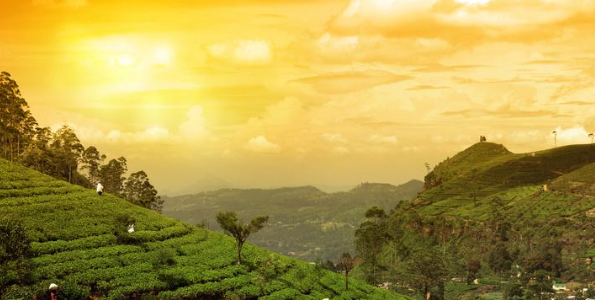
Tashiding Monastery is located in one of the most spiritually powerful landscapes of Sikkimβnear the confluence of sacred rivers and surrounded by mountain ridges.
This setting enhances the festivalβs atmosphere, creating a space where:
- Nature and spirituality merge
- Silence and devotion coexist
- Faith feels deeply connected to the land
Cultural and Spiritual Significance
Bumchu reflects the core values of Sikkimβs Buddhist heritage:
1. Faith and Devotion
A strong belief in divine guidance and blessings.
2. Harmony with Nature
Respect for natural elements as sacred forces.
3. Spiritual Insight
Understanding life through signs and symbols.
4. Collective Belief
A shared cultural and spiritual experience for the community.
A Living Tradition
Even today, Bumchu continues to be celebrated with deep reverence, attracting monks, devotees, and visitors alike. It remains a powerful reminder of Sikkimβs spiritual depth and its connection to ancient traditions.
When Faith Speaks Through Water
Bumchu is not just a ritualβit is a moment of reflection, where people look toward the future with hope and humility. It teaches that nature and spirituality are intertwined, and that faith can be found in the simplest elements.
βWhen the sacred water speaks, Sikkim listens.β