

“I ruled at the end of an era, where crowns faded but the identity of a people endured beyond the throne.”
The End of a Royal Era
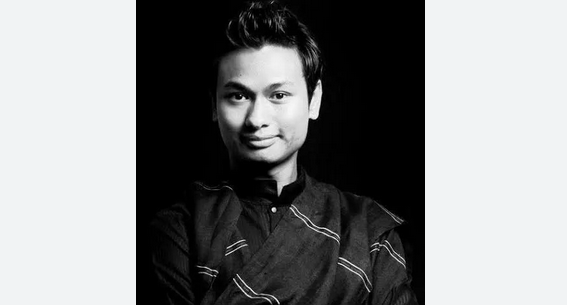
Palden Thondup Namgyal was the final monarch of Sikkim, ruling during a decade that would redefine the destiny of the kingdom forever. Ascending the throne in 1965 after the death of his father Tashi Namgyal, he inherited not just a crown—but a nation on the brink of transformation.
His reign would ultimately witness the end of monarchy and the birth of a new political identity for Sikkim.
Early Life: A Prince of Many Worlds
Born in Gangtok’s royal palace, Palden Thondup Namgyal’s upbringing reflected both tradition and modern influence.
- Early education at St. Joseph’s institutions in Kalimpong and Darjeeling
- Graduated from Bishop Cotton School Shimla
- Trained in administration at Dehradun
He was also deeply connected to spirituality, receiving monastic training and being associated with major monasteries such as
Rumtek Monastery and
Phodong Monastery.
This dual identity—administrator and spiritual figure—defined his leadership style.
A Leader Before the Crown
Before becoming king, Palden Thondup Namgyal played a crucial role in shaping Sikkim’s political future. As Advisor for Internal Affairs, he was actively involved in negotiations that defined Sikkim’s relationship with independent
India in 1949.
His early political exposure gave him a vision of a modern, progressive Himalayan state.
A Royal Life in the Global Spotlight
His personal life attracted international attention, especially after his marriage to
Hope Cooke in 1963.
- Their union brought global media focus to Sikkim
- Symbolized a unique cultural bridge between East and West
- Added a modern, international dimension to the monarchy
He had previously been married to Samyo Kushoe Sangideki, with whom he had three children.
Coronation and a Kingdom in Transition
Palden Thondup Namgyal was officially crowned in 1965, at a time when political currents within Sikkim were rapidly shifting.
His reign focused on:
- Modernisation of governance
- Economic and social development
- Strengthening education and public systems
- Preserving Sikkim’s cultural identity
Under his leadership, Sikkim saw improvements in literacy and living standards, positioning it as one of the more progressive Himalayan regions.
The Fall of the Monarchy
The defining moment of his reign came in 1975—a year that changed Sikkim forever.
- Indian forces entered Gangtok
- Palace authority was effectively neutralized
- A public vote was conducted
The Sikkim referendum 1975 resulted in overwhelming support for ending the monarchy.
On 16 May 1975, through the historic
Sikkim’s merger with India, Sikkim officially became the 22nd state of India, bringing an end to over 300 years of Namgyal rule.
Life After the Crown
Following the dissolution of the monarchy, Palden Thondup Namgyal faced personal and political challenges.
- Reportedly struggled with emotional and political loss
- Spent time abroad, including in the United States
- Maintained cultural and intellectual interests
He also supported the arts, notably financing Satyajit Ray’s documentary Sikkim, preserving a visual record of the kingdom before its transformation.
Final Years and Passing
Palden Thondup Namgyal passed away on 29 January 1982 in New York after battling cancer. His death marked the quiet closing of a royal chapter that had shaped Sikkim for centuries.
Legacy Beyond the Throne
Though history remembers him as the last Chogyal, his legacy is far more nuanced.
He is remembered for:
- Attempting to modernise Sikkim during a turbulent era
- Balancing tradition with global exposure
- Preserving cultural identity amid political change
- Leading during the final transition from monarchy to democracy
His reign symbolizes not just an ending—but a transformation of identity.
“He did not lose a kingdom—he witnessed its transformation into something new, where identity outlived the crown.”