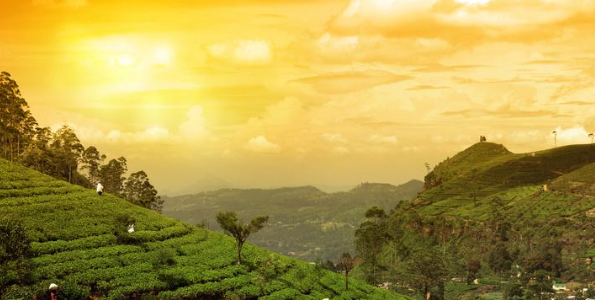
East Sikkim is where tradition meets modern life, making it the most accessible and dynamic region of the state. Home to the capital city Gangtok, this district blends Himalayan landscapes, spiritual landmarks, vibrant streets, and cultural diversity. East Sikkim serves as the gateway to Sikkim’s tourism while preserving its deep-rooted heritage and eco-conscious lifestyle. Gangtok is the cultural, administrative, and creative heart of Sikkim. With clean streets, mountain views, monasteries, cafés, music culture, and MG Marg’s lively promenade, the city represents modern Sikkim rooted in tradition.
Gangtok – Where Your Journey Begins
Gangtok is a clean, safe, and welcoming hill city with beautiful mountain views, monasteries, cafes, and shopping streets. MG Marg, the main promenade, is a must-visit for local food, souvenirs, and evening walks.
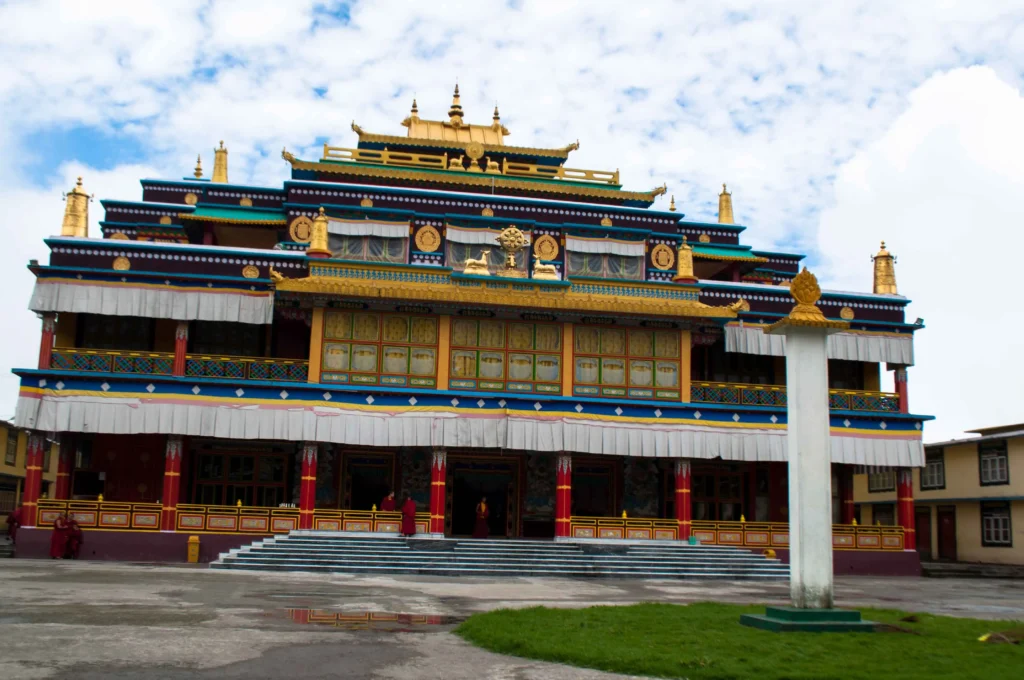
Rumtek Monastery
The Rumtek Monastery, also known as the Dharma Chakra Centre, is one of the most important and largest monasteries in Sikkim and serves as the primary seat in exile of the Gyalwa Karmapa, the head of the Karma Kagyu sect of Tibetan Buddhism. Located about 24 km (15 miles) from the capital city of Gangtok, it is a significant center for Buddhist teachings and a treasure trove of rare Buddhist art and scriptures
Rumtek Monastery
“Perched high in the serene hills of Sikkim, Rumtek Monastery is not just a place of worship but a living testament to the timeless wisdom of Tibetan Buddhism. Its golden rooftops glisten under the sun, while the chants of monks echo through the valleys, inviting all who visit to pause, reflect, and find peace within themselves.”
About
Spiritual Center: The main seat for the Karma Kagyu sect of Tibetan Buddhism, one of the four major schools.
Architecture: An impressive example of Tibetan monastic architecture with colorful murals, silk banners, and traditional designs.
Treasures: Houses rare Buddhist art, scriptures, and a golden stupa (reliquary) of the 16th Karmapa.
Karma Shri Nalanda Institute: A college for higher Buddhist studies located behind the main monastery.
Daily Life: A vibrant center with monks performing daily rituals, offering a glimpse into Buddhist monastic life.
Visiting Information
Location: About 23-24 km from Gangtok, nestled in the hills.
Access: A refreshing walk is required from the road’s end.
Requirements: A government-issued photo ID (like an Aadhaar card) and decent dress are needed for entry.
Atmosphere: Expect peace, ancient chants, and beautiful views, but also be prepared for security presence due to its importance.
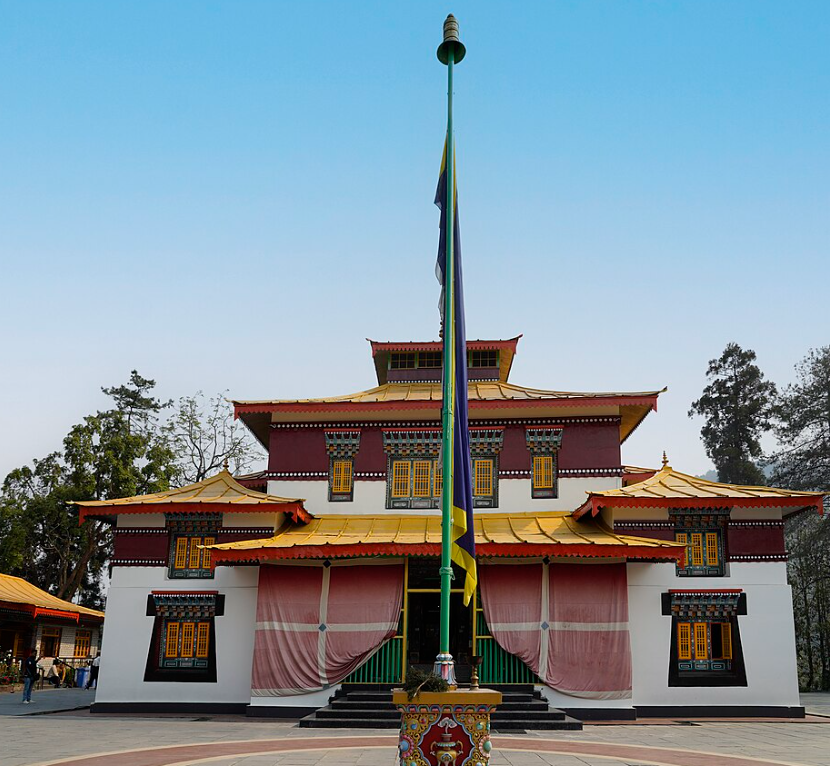
Enchey Monastry
“Enchey Monastery stands as a testament to unwavering faith and resilience in the heart of Sikkim. Though shaken by earthquakes and tested by time, its spiritual foundation remains unbroken. Built in the sacred tradition of the Nyingma order, and believed to be protected by powerful guardian deities, the monastery continues to inspire devotion and reverence. Every cracked wall restored and every prayer offered within its halls reflects the enduring belief that faith, when rooted deeply, can withstand even the strongest forces of nature.”
Established in 1909 on a tranquil ridge overlooking Gangtok, Enchey Monastery stands as a timeless sanctuary of faith, history, and spiritual devotion. Rooted in the Nyingma order of Vajrayana Buddhism, this ‘Solitary Monastery’ carries the sacred legacy of Lama Drupthob Karpo, whose spiritual journey and tantric mastery sanctified this land. Surrounded by whispering coniferous forests and offering breathtaking views of the Khangchendzonga range, Enchey is believed to be the abode of powerful protecting deities—Khangchendzonga, Yabdean, and Mahākāla—whose blessings are deeply woven into the lives of the people of Gangtok. Within its ornately carved windows, vibrant murals, sacred scriptures, and echoing chants of monks, the monastery radiates peace, resilience, and divine presence. Despite enduring the trials of time and earthquakes, Enchey Monastery continues to stand strong, symbolizing spiritual endurance, cultural heritage, and the unbroken bond between faith and the Himalayas.
Location: The monastery is situated on a ridge above Gangtok, approximately 3 km northeast of the main market, offering beautiful views of the surrounding hills and the Kanchenjunga range. Timings: Open to visitors daily from approximately 9 am to 5 pm.Entry Fee: There is no entry fee, though a small donation or fee for photography may be requested.
“Standing quietly on a forested ridge above Gangtok, Enchey Monastery is more than a place of worship—it is a sacred witness to time, faith, and Himalayan spirituality. Established in 1909 and rooted in the ancient Nyingma tradition of Vajrayana Buddhism, this Solitary Monastery carries the blessings of Lama Drupthob Karpo and the deep spiritual presence of Guru Padmasambhava. Believed to be the abode of powerful guardian deities like Khangchendzonga, Yabdean, and Mahākāla, Enchey holds a profound place in the hearts of the people of Sikkim. Surrounded by fluttering prayer flags, ancient murals, sacred scriptures, and echoing chants, the monastery radiates peace, resilience, and divine energy. Even after enduring the forces of nature and the passage of time, Enchey Monastery continues to stand strong—symbolizing devotion, cultural heritage, and the eternal harmony between the mountains and the human spirit.”
Do Drul Chorten
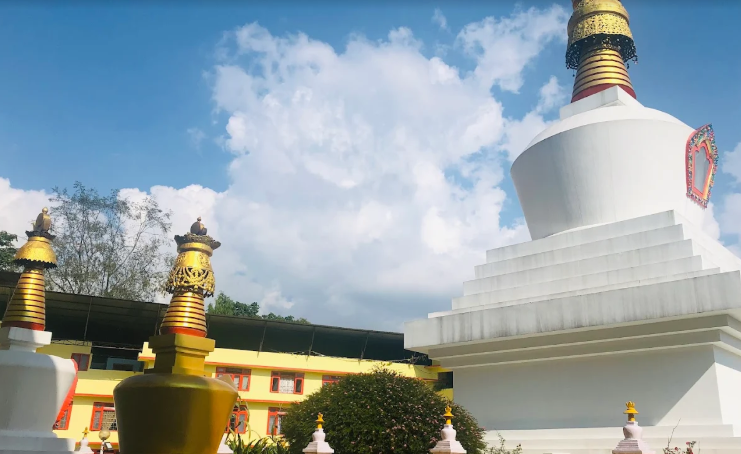
Do-drul Chorten is a revered stupa located in Gangtok, in the Indian state of Sikkim, and is one of the most important spiritual landmarks of the region. Inside the stupa are preserved a complete set of Dorjee Phurba, sacred volumes of the Kangyur (holy Buddhist scriptures), long mantra scrolls, and other important religious objects. Surrounding the chorten are 108 Mani Lhakor, or prayer wheels, each inscribed with the mantra Om mani padme hum, which devotees spin clockwise while circumambulating the stupa as an act of devotion and purification. The complex also includes Chorten Lakhang and Guru Lakhang, where two statues of Guru Rinpoche are enshrined. Adjacent to the chorten is a monastery for young lamas, housing a shrine with large images of Padmasambhava and his manifestation, Guru Snang–Sid Zilzon. The stupa is situated about 500 meters above the Namgyal Institute of Tibetology, adding to its spiritual and scenic significance.
Historically, the site of Do-drul Chorten was once believed to be haunted, prompting the young Chogyal of Sikkim to invite the revered Trulshik Rinpoche from Tibet to consecrate the area and dispel negative influences. Construction of the stupa began in 1945 and was completed in 1946. During the consecration, Trulshik Rinpoche placed within the central chamber a complete Dorjee Phurba mandala set, volumes of the Kangyur, sacred mantra rolls, and ritual objects, transforming the chorten into a powerful spiritual and protective monument.
Architecturally, Do-drul Chorten follows the classic Tibetan stupa design, featuring a square base that supports a large rounded dome rising to a height of approximately 27 meters. Above the dome stands a golden spire with thirteen rings, symbolizing the stages of enlightenment, crowned by a parasol finial. Four smaller stupas are positioned at the cardinal directions around the main structure, each containing sacred relics. Built of brick and stucco, the chorten is painted white to symbolize purity and is topped with a gilded metal cap. A circular platform surrounds the stupa, allowing devotees to perform circumambulation in a serene and contemplative environment, reinforcing its role as a center of prayer, meditation, and spiritual merit.
“Do-drul Chorten stands as a symbol of peace and protection above Gangtok, where every prayer wheel turned and every step taken in devotion carries the silent power of ancient mantras. Encircled by 108 sacred wheels and crowned with a golden spire, this holy stupa transforms faith into calm, reminding all who visit that spiritual strength is born from purity, perseverance, and mindful reflection.”
Location: The monastery is situated on a ridge above Gangtok, approximately 3 km northeast of the main market, offering beautiful views of the surrounding hills and the Kanchenjunga range. Timings: Open to visitors daily from approximately 9 am to 5 pm.Entry Fee: There is no entry fee, though a small donation or fee for photography may be requested.
Ganesh Tok
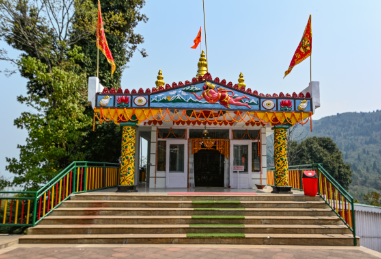
Ganesh Tok is a prominent Hindu temple and viewpoint located in Gangtok, Sikkim, at an altitude of approximately 6,500 feet. Dedicated to Lord Ganesha, it is one of the most visited sites in the capital for its spiritual significance and sweeping vistas.
“Perched gracefully above Gangtok, Ganesh Tok offers a breathtaking meeting of devotion and nature. With the gentle presence of Lord Ganesh and sweeping views of the city below and the mighty Khangchendzonga range ahead, this peaceful viewpoint reminds visitors that faith and natural beauty together have the power to calm the mind and uplift the spirit.”
Location: Approximately 7 km from Gangtok town, situated on the way to Hanuman Tok and near the Himalayan Zoological Park.Timings: Generally open from 6:00 AM to 7:00 PM. The best time to visit for mountain views is between 5:00 AM and 9:00 AM.Entry Fee: Admission to the temple and viewpoint is free.
Hanuman Tok
Hanuman Tok is a significant Hindu temple complex near Gangtok, Sikkim, dedicated to Lord Hanuman, believed to be a resting spot for him while carrying the Sanjeevani herb; it’s maintained by the Indian Army, offers stunning views of the Kanchenjunga range, and is known for wish fulfillment, attracting pilgrims and tourists for its serene atmosphere and panoramic vistas.
“Hanuman Tok stands high above Gangtok as a sacred place of strength, devotion, and serenity. Blessed with the presence of Lord Hanuman and surrounded by sweeping views of the Himalayas, this peaceful hilltop temple inspires faith, courage, and humility. As the mountain air carries prayers into the sky, Hanuman Tok reminds every visitor of the power of belief and the quiet strength found in devotion.”
Location: Approximately 11 km from Gangtok town, situated along the road to Nathu La.Timings: Generally open from 5:00 AM to 7:00 PM.
Arriving before 9:00 AM is recommended for the clearest mountain views.
Entry Fee: Free (donations are optional).
Tsomgo (Changu Lake)
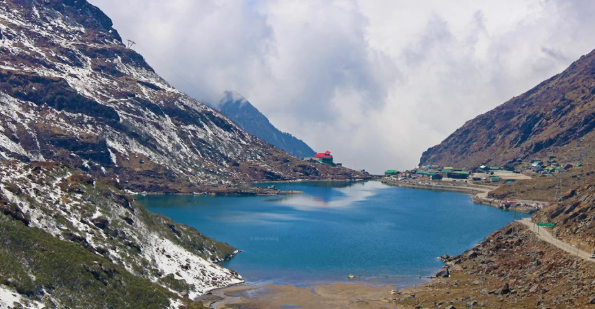
Tsomgo Lake (or Changu Lake) is a stunning glacial lake in Sikkim, India, near Gangtok, famous for its seasonal color changes and high altitude (12,313 ft), attracting tourists for yak rides, stunning views, and its cultural significance, with Buddhist monks predicting the future from its changing hues. It’s accessible year-round but best in spring for flowers or winter for snow, requiring permits and careful acclimatization due to low oxygen.
“Cradled high in the Eastern Himalayas, Changu Lake rests like a sacred mirror reflecting the sky, the mountains, and ancient beliefs. Surrounded by snow-clad peaks and fluttering prayer flags, this glacial lake changes its colors with the seasons, reminding visitors of nature’s quiet power and timeless beauty. Revered by locals and cherished by travelers, Changu Lake is a place where silence speaks, faith flows, and the soul finds calm in the embrace of the mountains.”
Information:
Location: About 38 km from Gangtok, East Sikkim, on the way to Nathula Pass.
Altitude: 12,313 feet (3,753 meters).
Aliases: Also known as Changu Lake or Tsongmo Lake.
Features: Glacial lake reflecting different colors seasonally, surrounded by mountains.
Spring (April-May): Wildflowers (rhododendrons, orchids) bloom; lake is sapphire blue.
Winter (Oct-Dec, Feb-May): Lake freezes over, creating a winter wonderland with snow.
Travel Tips:
Permits: Required for entry.
Altitude Sickness: Low oxygen; avoid exertion, carry water, and acclimatize.
What to Bring: Photo ID, passport-sized photos.
Access: Accessible by car or shared taxi from Gangtok; roads can be challenging.
Cultural Significance:
Held in reverence by Sikkimese people.
Buddhist monks historically used its changing colors to forecast the future.
Nathula Pass (old silk route)
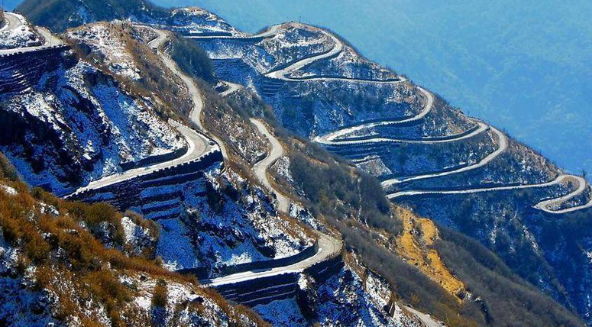
The Nathu La (Nathula) Pass is a crucial part of Sikkim’s historic Silk Route, an ancient trade path connecting India (via Sikkim) and Tibet/China, known for silk, spices, and other goods, with Nathu La serving as a major border crossing and high-altitude (around 14,000 ft) gateway featuring India-China border gates, military presence, and stunning Himalayan views. The scenic, winding road from Gangtok to Nathu La crosses the beautiful Tsomgo Lake and Baba Mandir, offering tourists access to this historic frontier.
“Nathu La Pass stands as a gateway between history and the Himalayas, where the ancient Silk Route once carried trade, culture, and stories across borders. Rising high above the clouds, this legendary mountain pass connects Sikkim with Tibet, blending strategic importance with breathtaking natural beauty. Surrounded by snow-covered peaks, winding roads, and prayer flags dancing in the wind, Nathu La reminds visitors of resilience, courage, and the timeless spirit of connection between lands and people.”
Aspects of Nathu La & The Silk Route
Historic Trade Route: It’s an offshoot of the ancient Silk Road, facilitating trade between India and Tibet for centuries until its closure in 1962, with partial reopening in 2006.
Strategic Border: Located on the India-China border in Eastern Sikkim, marked by official gates and military bunkers.
High Altitude: Reaches over 14,000 feet, making it one of the highest motorable roads in the world, with breathtaking views.
Tourist Experience: Offers a glimpse of the border, war memorials, and cultural exchange points (BPMs).
Scenic Journey: The drive from Gangtok involves iconic stops like Tsomgo Lake (Changu Lake) and Baba Harbhajan Singh Mandir (Baba Mandir), passing through diverse landscapes.
Visiting Nathu La
Permits Required: A special permit is needed for domestic tourists to visit the pass.
Best Time to Visit: Autumn (Sept-Nov) offers clear skies; winter (Dec-May) brings snow; monsoon (June-Sept) is best avoided due to landslides.
Altitude Sickness: Take precautions due to the high altitude, as oxygen levels are low.
Tashi View Point
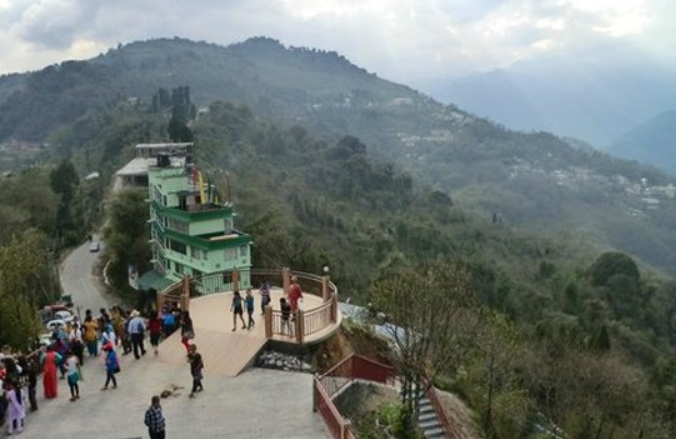
Tashi View Point is a famous lookout near Gangtok, Sikkim, offering panoramic views of the Kanchenjunga range, valleys, and monasteries, especially stunning at sunrise when peaks light up; it features telescopes, small eateries, and souvenir shops, making it a popular, accessible spot for nature lovers and photographers despite being slightly less crowded than other viewpoints.
“At Tashi View Point, the Himalayas reveal their finest face, painting the sky with peace and wonder.”
About:
Breathtaking Views: Marvel at Mt. Kanchenjunga, Siniolchu, lush green valleys, and distant villages.
Sunrise Spectacle: Best visited at dawn to witness the sun’s rays painting the snow-capped mountains in golden hues.
Amenities: Offers a viewing platform, binoculars/telescopes (for a small fee), souvenir stalls selling local crafts, and small cafes for snacks like momos.
Cultural Experience: Opportunity to rent traditional Sikkim attire for photos and see monasteries like Phodong and Labrang.
Location & Accessibility:
Distance: About 8-10 km from Gangtok town, located on the North Sikkim Highway.
Getting There: Easily reachable by taxi from Gangtok.
Best Time to Visit:
Early mornings for sunrise.
March to June for pleasant, clear weather.
Why Visit?
Ideal for photographers and nature lovers seeking scenic beauty and tranquility.
A relatively less crowded alternative for experiencing iconic Himalayan views.
Banjhakri Falls
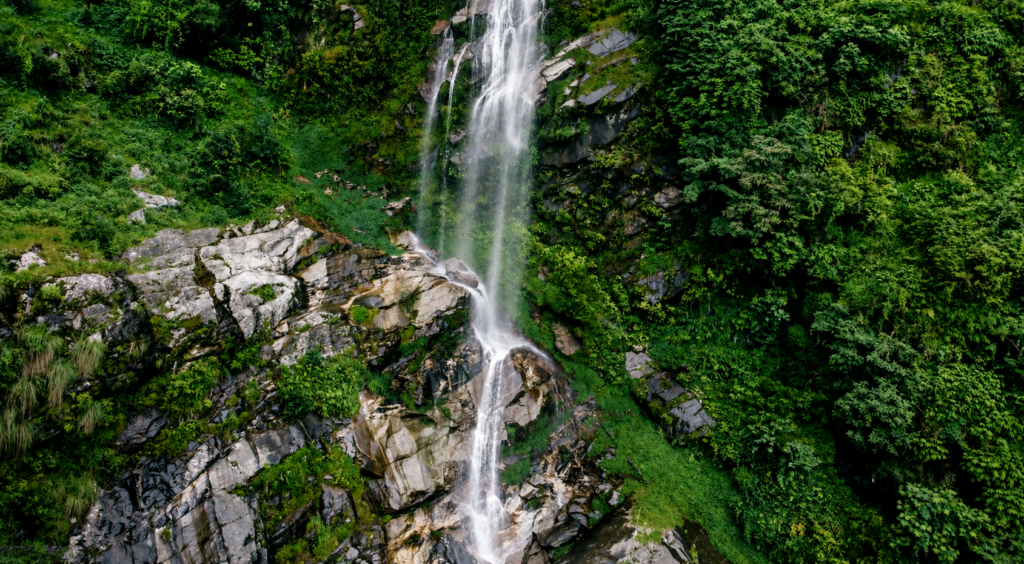
Banjhakri Falls is a popular tourist spot near Gangtok, Sikkim, featuring a 40-foot waterfall in a landscaped Energy Park, celebrating local shamanic traditions (Banjhakri means “forest healer”) with statues, themed sculptures, and Sikkimese architecture, offering boating, trails, and picnic spots, located about 7-10 km from the city center and close to Ranka Monastery.
“Hidden within lush forests near Gangtok, Banjhakri Falls flows as a powerful blend of nature, legend, and tradition. Surrounded by sculpted figures inspired by Lepcha folklore and echoing with the sound of cascading water, the falls represent the ancient belief in the Banjhakri—the forest shaman and guardian spirit. Here, nature feels alive, reminding visitors of Sikkim’s deep cultural roots and the timeless bond between people, forests, and flowing water.”
Banjhakri Falls is not just a waterfall, but a living story of Sikkim’s folklore, where nature and tradition flow together.”