
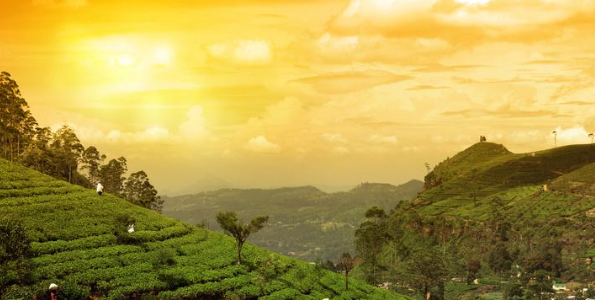
Blessed with breathtaking mountain landscapes, ancient monasteries, rich traditions, and panoramic views of Mount Kanchenjunga, West Sikkim stands as one of the most culturally and naturally significant regions of the Himalayan state. Known for its peaceful environment and scenic beauty, the district has become a major attraction for travelers seeking both adventure and spiritual discovery.
Unlike the fast-moving urban world, West Sikkim offers a slower and more meaningful travel experience — where mist-covered hills, historic landmarks, and traditional villages create a timeless Himalayan atmosphere.
Sky walk
The Pelling Skywalk is India’s first glass-bottomed skywalk, a popular tourist attraction located near the town of Pelling in West Sikkim. Situated at an altitude of approximately 7,200 feet above sea level, it offers thrilling panoramic views of the Himalayan landscape and the surrounding valleys.
“West Sikkim is where history whispers through monasteries,clouds bow to Kanchenjunga,and every path feels blessed by time.”
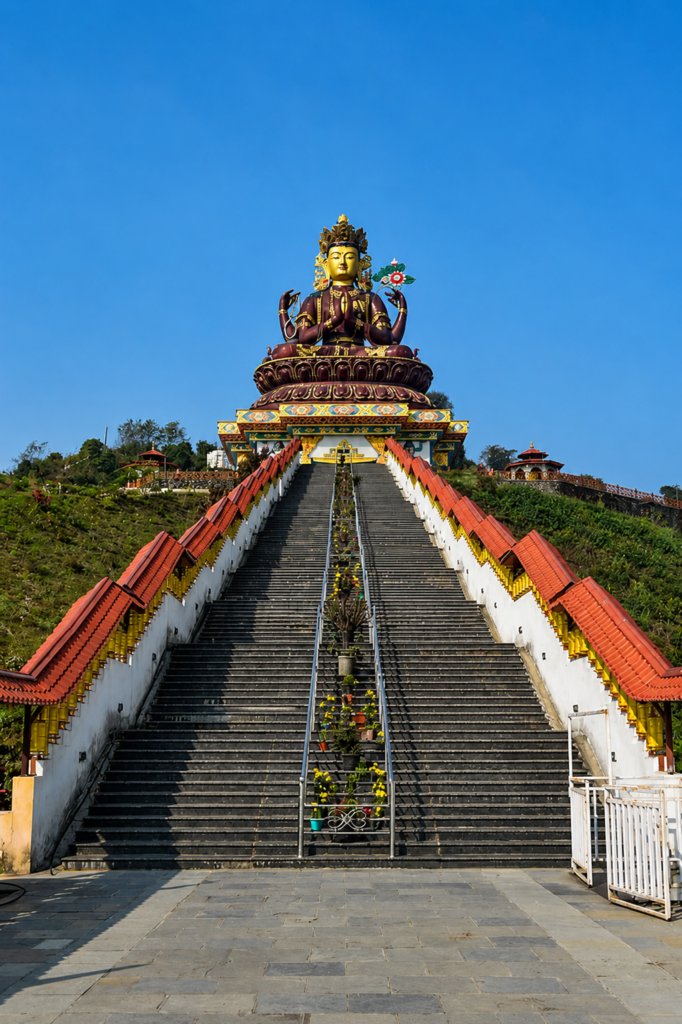
India’s First Glass Skywalk: The transparent pathway provides an exciting, “walking on air” experience high above the valley floor.Chenrezig Statue: The skywalk is part of a large Buddhist pilgrimage complex which houses a massive 137-foot (42 m) tall statue of the Bodhisattva Chenrezig (Avalokitesvara), the tallest such statue in the world.Panoramic Views: On clear days, visitors can get breathtaking, unobstructed views of the majestic Mount Kanchenjunga and its associated peaks. The Teesta and Rangit rivers can also be seen flowing in the distance.Spiritual Ambiance: The path leading up to the statue is lined with golden prayer wheels, adding a serene and spiritual element to the visit. The complex is located near the ancient Sanghak Choeling Monastery.Visitor Information
- Location: Near the Sanghak Choeling Monastery in Upper Pelling, West Sikkim.
- Timings: Generally open daily from 8:00 AM to 5:00 PM (some sources suggest closure around 4:30 PM).
- Entry Fee: The ticket price for Indian nationals is typically around ₹50 to ₹100 per person.
- Best Time to Visit: Early mornings offer the highest chance of clear views of the Kanchenjunga range, especially during the months of March to May and October to December.
- Accessibility: The complex is designed to be accessible, with both stairs and ramps available for visitors.
- Note: Visitors are required to remove their shoes before walking on the glass surface, so wearing socks is recommended, especially in cold weather.
Rabdentse Ruins
The Rabdentse Ruins are the remains of the second historical capital of the former Kingdom of Sikkim, located near Pelling in West Sikkim. Declared a monument of national importance by the Archaeological Survey of India (ASI), the site offers a fascinating glimpse into the region’s royal past and stunning views of the Kanchenjunga mountain range.
“Here, time does not vanish;
it settles gently on broken walls,
turning ruins into remembrance.”
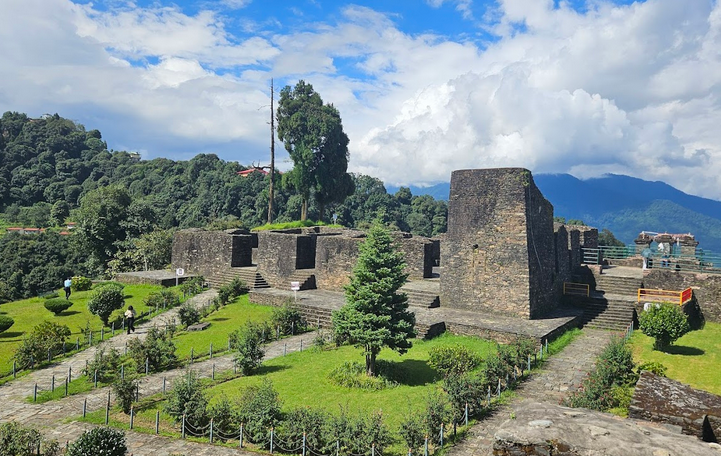
- History: Rabdentse was established as the capital in 1670 by the second Chogyal (king), Tensung Namgyal, after shifting from the first capital of Yuksom. The city and its palace complex were later destroyed by invading Gurkha (Nepalese) armies in the 18th century, with the capital eventually moving to Tumlong in 1793.
- Significance: It is a vital part of the Buddhist religious pilgrimage circuit in Sikkim, which also includes the Pemayangtse Monastery and Khecheopalri Lake.
Visiting Information
- Location: Situated on a ridge southwest of the Pemayangtse Monastery.
- Access: The ruins are accessible via a scenic, approximately 1-2 km, forest walking trail from the main entrance gate on the Pelling-Geyzing road. The trail passes through a dense forest and a small lake.
- Timings: The site is generally open to visitors from 10:00 AM to 5:00 PM (some sources indicate closure as early as 4:00 PM).
- Entry Fee: Access to the ruins is free, though there may be a minor fee for parking or the adjacent bird park/aviary.
- Best Time to Visit: The months of March to May and October to December offer the clearest weather and best visibility of the Kanchenjunga range.
What to See
- Namphogang: The stone throne comprising three standing stones where judges used to pronounce judgments.
- Taphap Chorten: The partially ruined entry point to the palace where people had to dismount horses and remove hats as a mark of respect.
- Palace Ruins: Remnants of the royal living quarters (northern wing) and a public courtyard (southern wing).
- Three Chortens: Three religious shrines near the palace where the royal family offered prayers.
- Kanchenjunga Views: The vantage point from the ruins provides a spectacular, panoramic view of the Himalayan ranges, including Mt. Kanchenjunga.
Kecheopalri lake “wishing lake”
Khecheopalri Lake, also known as the “wishing lake” (or Sho Dzo Sho in local dialect, meaning “Oh Lady, Sit Here”), is a sacred and tranquil lake located in West Sikkim, revered by both Buddhists and Hindus. This pristine body of water is surrounded by dense forests and is part of a significant Buddhist religious pilgrimage circuit.
Khecheopalri Lake is one of Sikkim’s most sacred and mystical natural sites, revered across Buddhist, Hindu, and local faith traditions. Widely known as the Wish-Fulfilling Lake, pilgrims and travelers visit this serene water body to offer prayers and experience its profound spiritual calm. A fascinating local belief holds that no leaves are ever seen floating on the lake—birds are said to remove them instantly, preserving its purity.When viewed from above, the lake is believed to resemble a divine footprint, interpreted variously as that of Goddess Tara Jetsun Dolma, Lord Shiva, or Lord Buddha, reflecting its multi-faith reverence. Surrounded by dense forest within the Khangchendzonga National Park, the area is rich in biodiversity, hosting rare birds and medicinal plants. Its designation as a Ramsar Wetland of International Importance underscores both its ecological and spiritual value.A peaceful forest walk lined with prayer flags leads visitors to the lake’s banks, where one can feed fish, observe birds, or simply sit in quiet reflection. Annual festivals such as Chompa Chopa (March–April) and Chho-Tsho (October) draw devotees from across the region, keeping ancient traditions alive. Simple homestays in nearby villages offer an authentic cultural stay, blending devotion with nature.
Wish-Fulfilling Belief: The lake is widely believed to fulfill wishes, drawing pilgrims and tourists who come to pray and soak in the serene atmosphere. Miraculous Cleanliness: A fascinating local legend claims that no leaves are ever seen floating on the lake’s surface; birds industriously pick them up as soon as they drop into the water, ensuring its purity. Footprint Shape: When viewed from a high vantage point, the lake is said to resemble a footprint, which different faiths attribute to either Goddess Tara Jetsun Dolma, Lord Shiva, or Lord Buddha. Biodiversity & Conservation: The lake and the surrounding Khangchendzonga National Park area are rich in flora and fauna, including various bird species and medicinal plants. It was recently designated a Ramsar Wetland of International Importance, highlighting its ecological significance.
“At Khecheopalri, wishes are whispered,leaves never linger,and faith floats gently on silent water.”
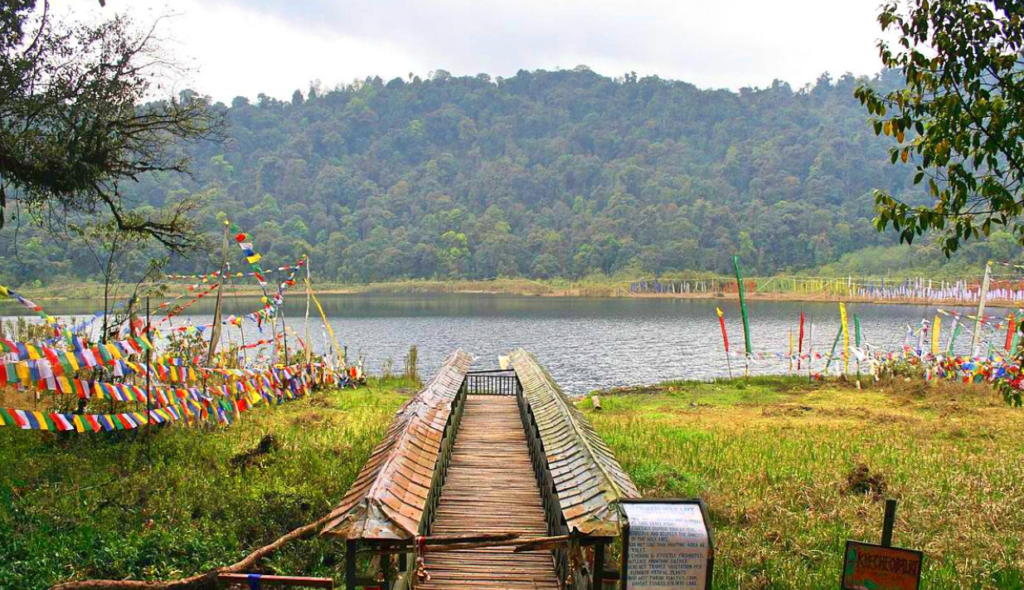
Visitor InformationLocation: The lake is approximately 34 km (21 mi) northwest of Pelling and 147 km west of Gangtok. A short, peaceful walk (about 800 meters) from the parking area through a forest trail lined with prayer flags leads to the lake’s banksTimings & Fees: The site is generally open from 8:00 AM to 5:00 PM. There is typically a small parking fee and a minor entrance donation.Activities: Visitors can feed the large fish from the jetty, enjoy bird watching, or simply relax in the peaceful surroundings. Trekking options are also available in the nearby hills.Festivals: A major two-day annual festival, Chompa Chopa, is held near the lake around March/April, attracting pilgrims from across the region. Another festival, Chho-Tsho, is observed in October after the cardamom harvest.Stay & Food: Homestays are available in the nearby Khecheopalri village for overnight stays. Basic snack shops and food stalls are located near the entrance and parking areas.
Yuksom
Yuksom, meaning “Meeting Place of Three Lamas,” is one of the most historically and spiritually important towns in Sikkim. It was here in 1642 that Phuntsog Namgyal, the first Chogyal (king) of Sikkim, was crowned—making Yuksom the birthplace of the Sikkimese monarchy. Nestled amid dense forests and mountain streams, the town retains a peaceful, timeless charm.Surrounded by the pristine landscapes of the Khangchendzonga National Park, Yuksom is also known as the gateway to Mount Kanchenjunga treks, including the famous Dzongri–Goecha La route. Ancient monasteries, sacred lakes, stone pathways, and traditional homes reflect its deep spiritual roots. Life here moves slowly, guided by prayer, nature, and history—making Yuksom a destination where heritage and the Himalayas meet in harmony.
“Yuksom is where a kingdom was born,
and where mountains still guard its soul.”
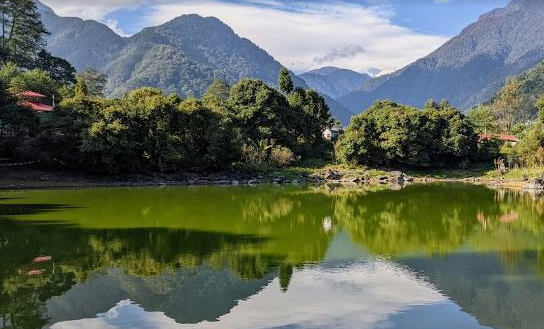
Historical & Spiritual SignificanceFirst Capital: Yuksom was established in 1642 AD as the first capital of the Kingdom of Sikkim.The Coronation Throne: At Norbugang Park, you can see the stone throne where the first Chogyal (King) of Sikkim, Phuntsog Namgyal, was consecrated by three Lamas who traveled from Tibet.Oldest Monastery: Dubdi Monastery (built in 1701), perched on a hilltop a 2 km trek from the village, is considered the oldest monastery in the state and is a National Monument.Sacred Landscape: For Buddhists, Yuksom is part of the “Demazong” (sacred valley of rice) and represents the ‘third eye’ in the spiritual network of the region. Gateway to AdventureBase for Treks: It is the primary starting point for the famous Dzongri – Goechala Trek, which leads to the base of Mt. Kanchenjunga (the third-highest mountain in the world).National Park Access: Yuksom serves as the entrance to the Khangchendzonga National Park, a UNESCO World Heritage Site recognized for its mixed natural and cultural importance. Key Attractions in & Around YuksomKartok Lake: A peaceful sacred lake near the village with emerald-green watersKathok Wodsalin Gompa: A serene monastery known for its intricate murals and peaceful atmosphere.Phamrong Waterfall: Located about 7 km from Yuksom, it is one of the highest and most scenic waterfalls in the district.Tashi Tenka: The ruins of the former royal palace complex offering panoramic views of the surrounding hills. Travel Information Best Time to Visit: March to June for wildflowers and greenery, or October to mid-December for the clearest views of the Himalayan peaks.How to Reach: From Gangtok: Approximately 120–123 km away (about 5–6 hours by road via Ravangla and Legship). From Pelling: About 33–35 km away, often visited as part of a West Sikkim tour. Accommodation: The town offers a range of options, from charming homestays that provide an authentic Sikkimese experience to trekkers’ huts and budget lodges.
Goechala Trek
The Goechala Trek is one of India’s most iconic and rewarding high-altitude Himalayan treks, offering breathtaking close-up views of Mount Kanchenjunga, the world’s third-highest peak. Starting from the historic town of Yuksom in West Sikkim, the trail passes through dense rhododendron forests, alpine meadows, glacial streams, and pristine campsites within the Khangchendzonga National Park.
Trekkers witness dramatic changes in landscape—from the lush greenery of Tshoka and Dzongri to the stark, icy beauty near Goechala Pass at an altitude of about 15,100 ft. The sunrise view from Dzongri and the awe-inspiring sight of Kanchenjunga glowing in golden light from View Point 1 are unforgettable highlights. More than just a physical journey, the Goechala Trek is a spiritual and emotional experience—where silence, endurance, and nature come together in perfect balance.
“Goechala is not just a trek to the mountains,
it is a walk toward humility,
where Kanchenjunga stands close enough
to touch the soul.”
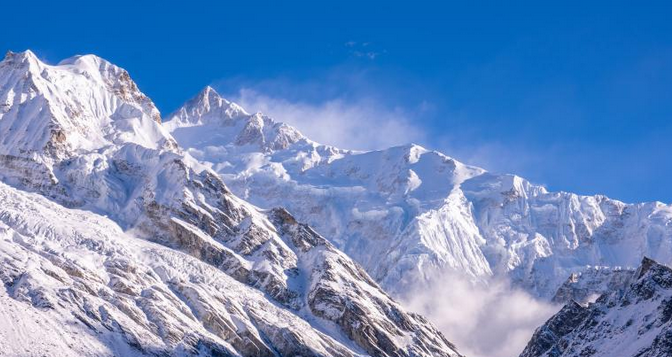
Highlights of the TrekKanchenjunga Views:
The primary attraction is the breathtaking sunrise view of Mt. Kanchenjunga (the world’s third-highest peak) and other major peaks like Mt. Pandim, Mt. Simvo, and the Kabru range from Dzongri Top and Viewpoint 1.
Samiti Lake: A serene, emerald-green alpine glacial lake where the reflection of Mt. Pandim on its calm surface is a major photographic highlight.
Rhododendron Forests: The trail passes through dense forests that are carpeted in vibrant red and pink rhododendron blooms during the spring season (April-May).
Khangchendzonga National Park: Trekking through this UNESCO site offers chances to spot rare flora and fauna, including the red panda and various bird species.
Cultural Immersion: The journey starts from the culturally rich village of Yuksom, allowing interaction with the local Sikkimese people and visits to ancient monasteries like the Dubdi Monastery.
Best Time to VisitThe Goechala trek is best done in two main seasons:Spring (March to May): Known for vibrant rhododendron blooms and warmer weather. Clear mountain views are common in the mornings, although clouds may gather later in the day.
Autumn (October to November): Offers the most crystal-clear and sharp panoramic mountain views due to the post-monsoon clear skies. Nights are colder, with temperatures dropping below freezing at higher camps. Avoid the monsoon season (June to September) due to heavy rain, landslides, leeches, and poor visibility, and the peak winter months (December to February) due to heavy snowfall and extreme cold which often make upper trails inaccessible.
Permit RequirementsDue to the trek being in a restricted border area within a National Park, permits are mandatory for all trekkers. Indian Nationals: Need a permit from the Kanchenjunga National Park checkpost in Yuksom, requiring a valid ID proof and passport-size photos.Foreign Nationals: Need an additional Restricted Area Permit (RAP) (previously Inner Line Permit) to enter Sikkim, which can be obtained at the Melli or Rangpo checkposts. Foreigners must trek in a group of at least two and often need to arrive a day early in Yuksom to process the necessary trekking permits through a registered agent. It is highly recommended to book your trek through a registered trekking agency, as they typically handle all the permit logistics, guides (which are mandatory), and accommodation on the trail.
Duration: Typically 10 to 11 days (including travel to/from the base camp).Distance: Approximately 80-90 km (round trip).
Highest Altitude: Goechala Viewpoint 1 at ~4,600 meters (15,100 ft).
Difficulty: Moderate to difficult, requiring good physical fitness and prior high-altitude trekking experience is preferred.
Base Camp: Yuksom, the first capital of Sikkim.
Pemayangtse Monastery
Pemayangtse Monastery, meaning “Perfect Sublime Lotus,” is one of the oldest and most revered monasteries in Sikkim, founded in the early 18th century. Located near Pelling in West Sikkim, it stands gracefully on a hilltop, offering breathtaking views of Mount Kanchenjunga and the surrounding valleys. Traditionally reserved for the highest-ranking lamas of the Nyingma order, the monastery holds deep spiritual and historical importance.
The monastery is renowned for its exquisite murals, ancient scriptures, sacred statues, and the intricate seven-tiered wooden model of Zangdok Palri, the celestial palace of Guru Padmasambhava. During annual religious festivals, especially Cham dances, Pemayangtse comes alive with masked performances, prayer rituals, and vibrant cultural expressions. Calm, dignified, and timeless, Pemayangtse Monastery is a place where faith, art, and Himalayan silence exist in perfect harmony.
“At Pemayangtse, prayers rise with the mountains,
and silence blooms like a lotus in the sky.”
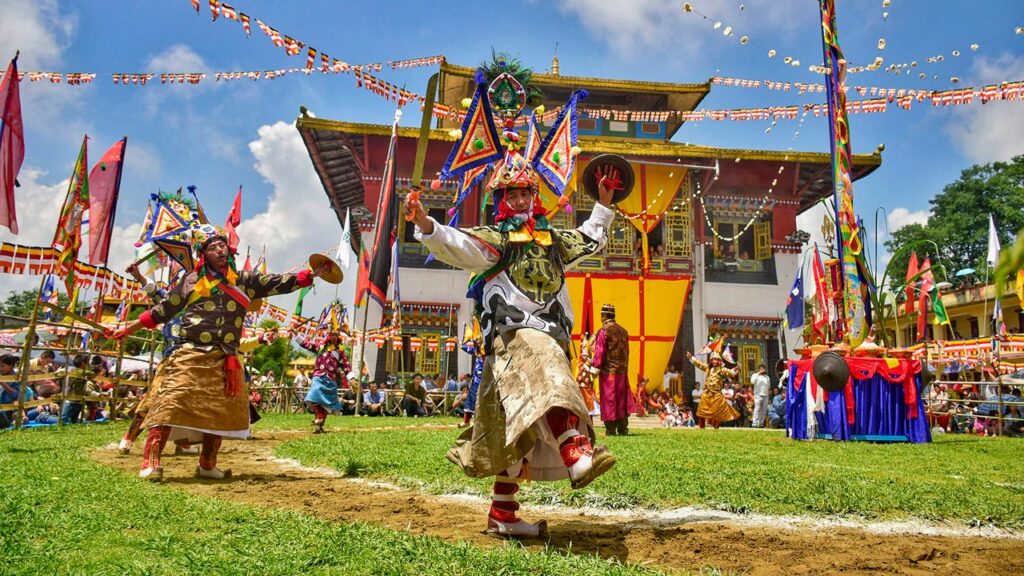
The Pemayangtse Monastery is a historic and important Buddhist monastery in Sikkim, known for its intricate architecture, serene ambiance, and stunning views of the Himalayas including Mount Kanchenjunga. Location & General
InformationLocation: Pemayangtse, near the town of Pelling, in the Gyalshing district of West Sikkim, India.
Established: Founded by Lama Lhatsun Chempo in 1705.Affiliation: It belongs to the Nyingma order, the most ancient school of Tibetan Buddhism.
Meaning: The name Pemayangtse translates to “Perfect Sublime Lotus”.
Entry Fee: There is a nominal entry fee of ₹20.Visiting Hours: The monastery is generally open to visitors from 9 a.m. to 5 p.m., though some sources indicate it opens as early as 7 a.m..
Key Attractions & FeaturesArchitecture & Art: The three-story structure is adorned with colourful paintings, murals, and statues of Buddhist saints and Rinpoches.
Heavenly Palace Model: The top floor houses a unique and highly intricate seven-tiered painted wooden structure that portrays the heavenly palace of Guru Rimpoche (Padmasambhava), known as Zangdokpalri. This masterpiece was built single-handedly by Dungzin Rimpoche over five years.
Views: Situated on a hilltop at an elevation of nearly 7,000 feet, the monastery offers impressive panoramic views of the surrounding valleys, the Rabdentse ruins, and the snow-capped Kanchenjunga range.
Monastic Life: It is home to “pure monks” (ta-tshang) of pure Tibetan lineage who are celibate and follow strict rules. FestivalsThe main festival is the annual Cham dance festival (mystery plays), performed by the lamas in colourful costumes and masks on the 28th and 29th days of the 12th Tibetan lunar month (usually around February/March of the Gregorian calendar). This event is a significant draw for pilgrims and tourists and concludes with the display of a large embroidered scroll and fireworks to drive away evil spirits.
Visitor Tips
Respectful Attire: Visitors should wear modest and appropriate clothing.Photography: Photography is generally allowed in the courtyard but prohibited inside the main prayer halls.
Etiquette: Maintain silence, remove shoes before entering, and do not touch artifacts or holy objects.Best Time to Visit: March to June offers pleasant weather and clear views of the mountains, while the winter months (November to February) are best for experiencing the Cham festival.
Sanghak Choeling Monastery
Sanghak Choeling Monastery is one of the oldest monasteries in Sikkim, perched high on a ridge above Pelling in West Sikkim. Reached by a peaceful forest trail, the monastery offers panoramic views of the Kanchenjunga range, valleys, and distant villages. Its secluded location adds to its spiritual charm, making it a place of quiet meditation and reflection.
Established in the early 18th century, the monastery belongs to the Nyingma sect of Tibetan Buddhism. Though smaller and less ornate than some others, Sanghak Choeling holds deep historical and spiritual significance. Surrounded by prayer flags, whispering forests, and mountain winds, it stands as a symbol of simplicity, devotion, and timeless faith.
“Sanghak Choeling rises above the world,where prayers travel farther than words.”
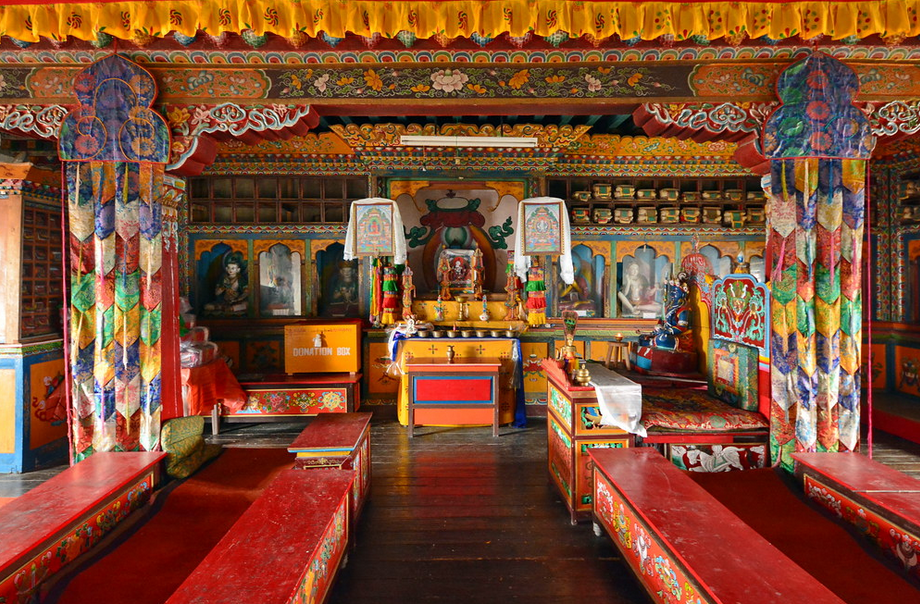
Visitor InformationLocation: The monastery is situated on a hilltop ridge, approximately 4 km (2.5 mi) from the main town of Pelling. It sits opposite the Pemayangtse Monastery.
Access: Reaching the monastery requires an uphill hike through a dense forest, which takes around 40 minutes to an hour. A skywalk is also available near the monastery.
Timings: The general visiting hours are from 8:00 AM to 5:00 PM or 6:00 PM.Entry: Entry is free, but visitors are expected to make a customary donation as a mark of respect and for the monastery’s maintenance.
Architecture & Artifacts: The monastery features traditional Tibetan architecture and houses unique 17th-century clay statues, ancient wall paintings, and scriptures. Best Time to VisitThe ideal time to visit is during the shoulder seasons for the best weather and clear mountain views.
Spring (March to May): The weather is pleasant, and the surrounding flora, including rhododendrons, is in bloom.
Autumn (October to November): Offers cool, crisp air and crystal-clear views of the Kanchenjunga range after the monsoon season.
Visitor Tips
Attire: Wear comfortable clothing and suitable shoes for the uphill trek.Etiquette: Maintain a quiet and peaceful demeanor, remove shoes before entering the main hall, and seek permission before taking photographs inside.
Nearby Attractions: The monastery is part of a larger heritage circuit that includes the nearby Pemayangtse Monastery, Rabdentse ruins, and the Khecheopalri Lake.
Rimbi Waterfalls
Rimbi Waterfalls is one of West Sikkim’s most refreshing natural attractions, located along the route to Yuksom and Khecheopalri Lake. Fed by the clear waters of the Rimbi River, the waterfall cascades gracefully over smooth rock formations, creating a cool, misty atmosphere surrounded by lush greenery.
Easily accessible and close to the roadside, Rimbi Waterfalls is a popular stop for travelers seeking a moment of rest and nature’s calm. During monsoon and post-monsoon seasons, the waterfall flows with added strength, enhancing its beauty. The gentle roar of falling water, combined with the forest backdrop, makes it a perfect spot for photography, relaxation, and quiet appreciation of Sikkim’s natural charm.
“Rimbi falls gently,
as if the mountains are breathing through water.”
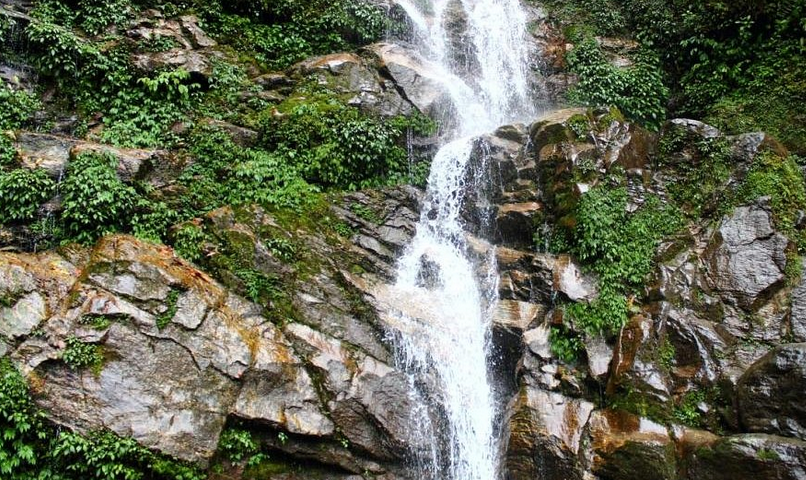
Visitor InformationLocation: The falls are located on the Rimbi River on the roadside en route to Yuksom in West Sikkim.
Access: Easily accessible as they are a roadside attraction, requiring no significant trek.Activities: Popular for photography, relaxing by the river, and picnicking. The area below the falls is a common spot for swimming and fishing for local “Assala” fish.
Nearby Attractions: Adjacent to the falls is the Rimbi Rock Garden, a beautiful spot for strolling and relaxing, as well as orange orchards, where visitors can sometimes pluck fruit.
Best Time to Visit:Monsoon season (late May to July): The waterfalls are in full flow and look the most spectacular.
Winter/Summer: Water flow is significantly reduced, but it’s a good time for a quiet stop and clearer weather. Tips for Your VisitWear comfortable shoes, as you may want to walk around the adjacent rock garden or river banks.The ground can be slippery during the heavy rainy season, so exercise caution if visiting then.Consider visiting as part of a larger tour of the area, which usually includes the Khangchendzonga Falls, Khecheopalri Lake, and the Darap Village.
Darap Village
Darap Village is a peaceful heritage village near Pelling in West Sikkim, known for its authentic rural life and rich Limboo and Bhutia culture. Surrounded by cardamom fields, paddy farms, and forested hills, Darap offers visitors a genuine glimpse into traditional Sikkimese village living.
The village is ideal for homestay tourism, where travelers can experience local cuisine, folk music, traditional attire, and age-old customs. Evenings in Darap are quiet and soulful, filled with mountain air, distant prayer chants, and starlit skies. Simple, welcoming, and deeply rooted in tradition, Darap Village reflects the heart of Sikkim’s community life—where hospitality is natural and time moves gently.
“Darap is not visited,
it is lived—
in smiles, stories, and shared meals.”
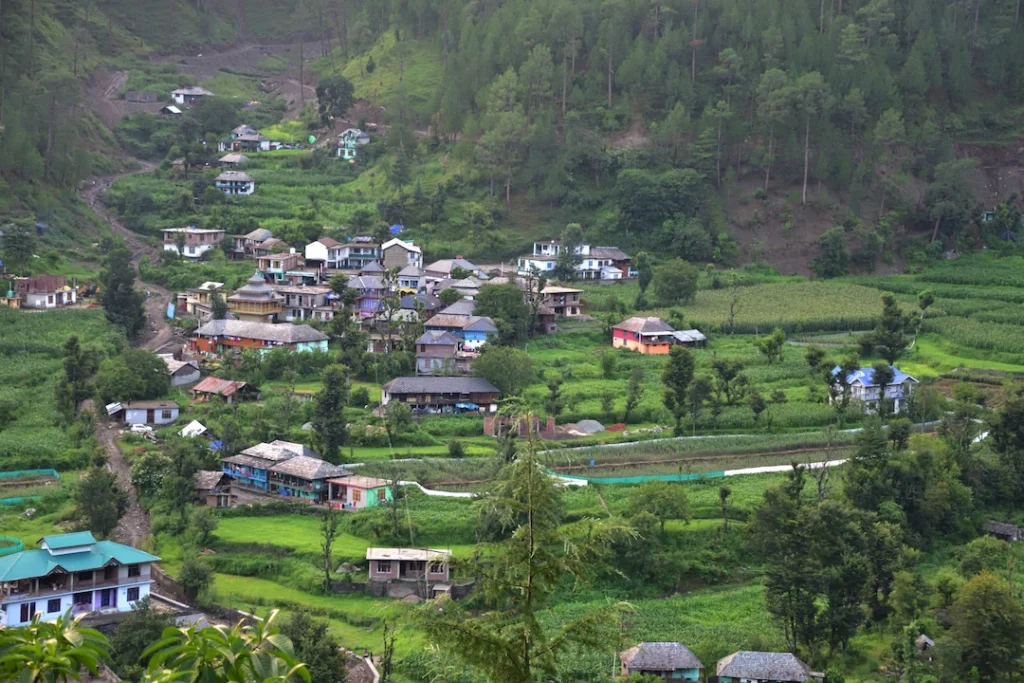
Activities and AttractionsVillage Walks: Take leisurely, unhurried walks through the picturesque village, passing emerald fields and traditional Limboo houses, and engaging with the friendly locals.
Homestays & Cultural Immersion: Experience the warm hospitality of local families (mainly the Limboo community) by staying in traditional homestays, where you can learn about their customs, language, and rituals, and enjoy home-cooked meals using organic produce.
Hiking & Nature Trails: Darap is a base for several short treks around Pelling and to nearby forests and streams, offering opportunities for birdwatching and connecting with nature.
Nearby Attractions:Rimbi Waterfalls & Rock Garden: Located only about 5 km away, these are popular spots for picnics and photography, with opportunities for swimming and fishing in the Rimbi River.
Khecheopalri Lake: A sacred pilgrimage site for both Buddhists and Hindus, known for its pristine beauty and serene atmosphere.
Khangchendzonga Falls: A stunning, multi-tiered waterfall that is a major tourist attraction in the area.Historical Sites: Explore the nearby Pemayangtse Monastery and the Rabdentse Ruins, the ancient capital of Sikkim.
Practical InformationGetting There: Darap is easily accessible by taxi from Pelling. The drive from Siliguri (NJP railway station/Bagdogra airport) takes around 6-7 hours.Best Time to Visit: The village is beautiful throughout the year. The monsoon season (late May to July) offers spectacular views of the waterfalls, while spring (March to May) and autumn (October to November) provide pleasant weather and clear mountain views.Stay Options: Numerous homestays and eco-retreats like Darap Eco Retreat (Sukhim Homestay) and Daragoan Retreat (Gurung Homestay) provide comfortable and authentic lodging experiences.
Tashiding Monastery
Tashiding Monastery is one of the holiest and most revered monasteries in Sikkim, dramatically perched on a hilltop between the Rangit and Rathong rivers in West Sikkim. Founded in the 18th century, the monastery is renowned for its deep spiritual significance and breathtaking natural setting, with panoramic views of surrounding valleys and Himalayan peaks.The monastery is closely associated with the sacred Bumchu ceremony, held annually, where a holy vase of water is opened to predict the fortune of the coming year. Pilgrims believe that a single circumambulation of Tashiding Monastery washes away sins and brings spiritual purification. Surrounded by forests, prayer flags, and countless chortens, Tashiding radiates an atmosphere of devotion, humility, and profound peace.
“Tashiding stands between two rivers,
where faith flows deeper than water.”
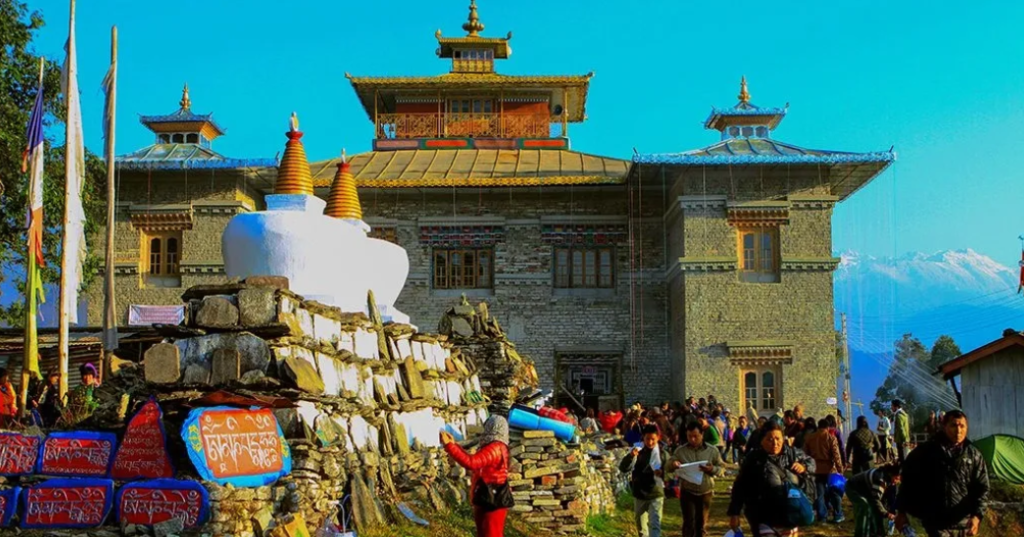
InformationLocation: The monastery is situated near the small village of Tashiding, approximately 40 km (25 mi) from Pelling and 19 km from Yuksom.
Access: It can be reached by a drive or a short, steep uphill walk/hike from the main road.
Timings: General visiting hours are from 10:00 AM to 4:00 PM (some sources indicate as early as 7:00 AM to 7:00 PM).
Entry: Entry is free, but a small donation is customary.
Key Features: The complex houses many chortens (stupas), ancient stone plates (“Manis”) intricately carved with the mantra “Om Mane Padme Hum,” and a sacred vase containing holy water used in a major annual festival.
Important Festival: The Bumchu CeremonyThe most important event at the monastery is the annual Bhumchu Festival (meaning “pot water”), held on the 14th and 15th day of the first month of the Tibetan calendar (usually in February or March).
Ritual: During the festival, the sacred pot of water, sealed the previous year, is opened. Monks predict the future of Sikkim and its people based on the water level and quality.
Significance: Devotees from across the Himalayas gather to receive blessings from a few drops of this holy water, which is believed to grant long life and enlightenment.
Visitor Tips
Respectful Attire: Dress modestly, covering shoulders and knees. Remove hats and shoes before entering the main prayer hall.
Etiquette: Maintain silence, avoid touching artifacts, and do not point fingers at idols. Seek permission before taking photographs inside.Photography: Photography may be prohibited inside certain areas of the main hall.
Combine Your Visit: The monastery is part of a significant Buddhist pilgrimage circuit. Consider visiting other nearby sites like the Pemayangtse Monastery, the Rabdentse Ruins, and the Khecheopalri Lake.