

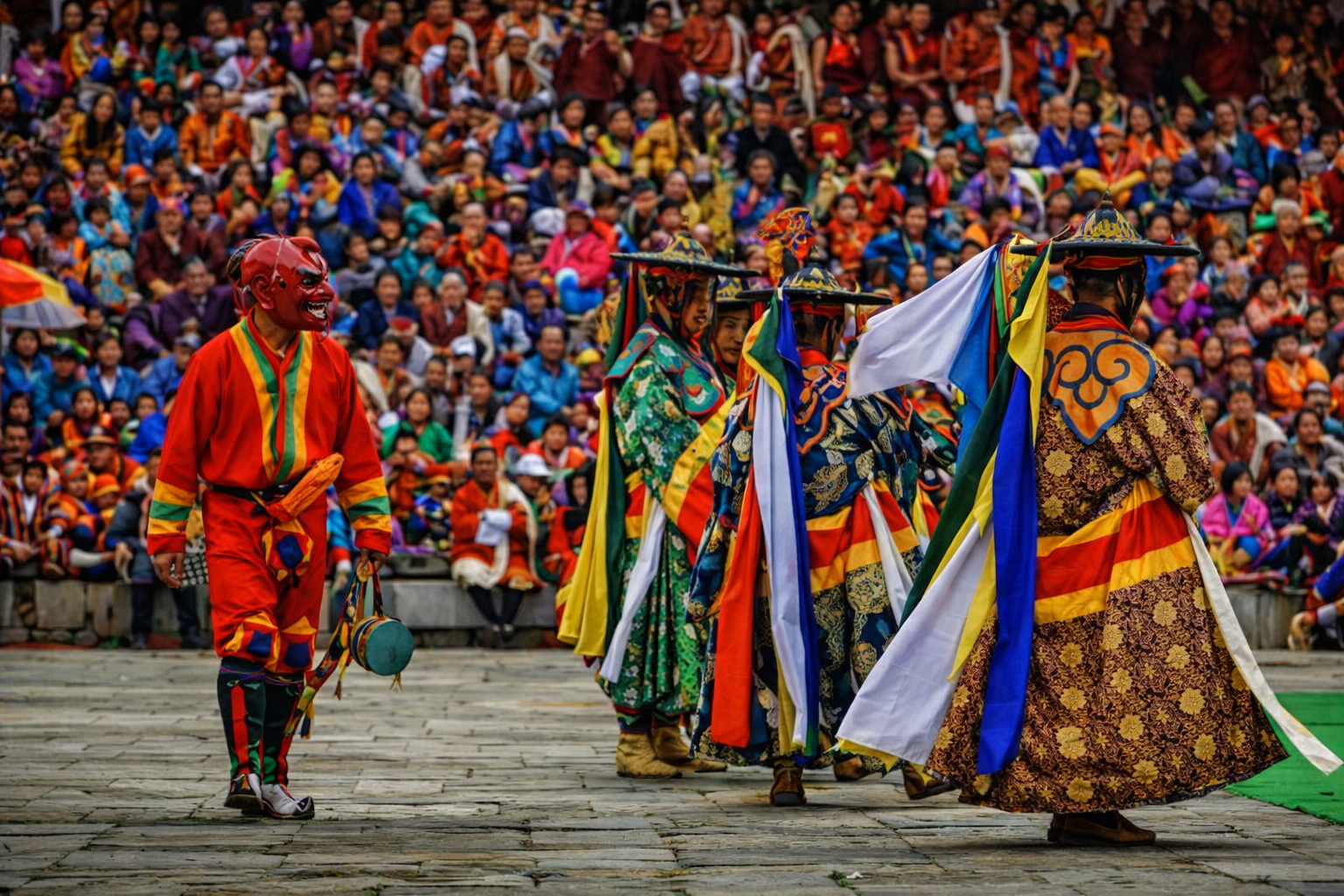
Among the most profound indigenous celebrations of Sikkim, Tendong Lho Rum Faat stands as a powerful symbol of faith, survival, and harmony with nature. Celebrated annually on August 8, this sacred festival belongs to the Lepcha community—the original inhabitants of Sikkim—whose spiritual identity is deeply intertwined with the natural world.
More than a cultural event, Tendong Lho Rum Faat is a thanksgiving ceremony rooted in legend, ecological wisdom, and ancestral memory.
The Legend of Mount Tendong
At the heart of the festival lies a legendary story associated with Mount Tendong.
According to Lepcha belief:
- A catastrophic flood once threatened to destroy all life
- As waters rose, the sacred mountain Tendong miraculously grew taller
- It provided refuge to the Lepcha people, saving them from extinction
This event is not just myth—it is a spiritual truth passed through generations, symbolizing protection, resilience, and divine intervention.
A Festival of Gratitude and Reverence
Tendong Lho Rum Faat is primarily a thanksgiving festival.
Devotional Focus:
- Honoring Mount Tendong as a protector
- Offering prayers to nature spirits and ancestral guardians
- Expressing gratitude for life, survival, and harmony
The rituals reflect a deep belief that nature is sacred and alive, deserving respect and devotion.
Rituals and Sacred Practices
The festival is observed with traditional rituals led by community elders and spiritual leaders.
Key Ceremonies:
- Chanting of ancient Lepcha prayers and hymns
- Ritual offerings of food, grains, and symbolic items
- Worship of natural elements like mountains, forests, and rivers
- Community gatherings at sacred sites
These practices are deeply spiritual and emphasize connection rather than celebration.
Oral Tradition and Storytelling
One of the most important aspects of Tendong Lho Rum Faat is the preservation of oral history.
Cultural Transmission:
- Elders narrate the story of the great flood
- Younger generations learn about Lepcha beliefs and identity
- Songs and chants carry historical memory
In this way, the festival becomes a living classroom where heritage is passed through voice and experience.
Philosophy: Living in Harmony with Nature
The Lepcha worldview reflected in this festival is built on a philosophy of balance and respect.
Core Beliefs:
- Humans are part of nature, not separate from it
- Forests, rivers, and mountains are sacred
- Survival depends on maintaining ecological harmony
This makes Tendong Lho Rum Faat not only a cultural event but also an environmental philosophy.
Community and Identity
For the Lepcha people, the festival reinforces:
- Cultural identity and belonging
- Unity within the community
- Respect for ancestral traditions
It is a moment where the community comes together to remember, reflect, and reconnect.
Tendong Lho Rum Faat in Modern Times
In today’s rapidly changing world, this festival holds even greater significance:
- It preserves indigenous knowledge systems
- Promotes environmental awareness
- Strengthens cultural pride among younger generations
Despite modernization, the festival continues to be celebrated with sincerity, ensuring that the Lepcha legacy remains alive.
A Message Beyond Celebration
Tendong Lho Rum Faat teaches a timeless lesson—that survival is not just about strength, but about respecting the forces that sustain life.
It reminds us that nature is not something to conquer, but something to honor and protect.
“The Lepcha spirit lives where respect for nature begins.”