


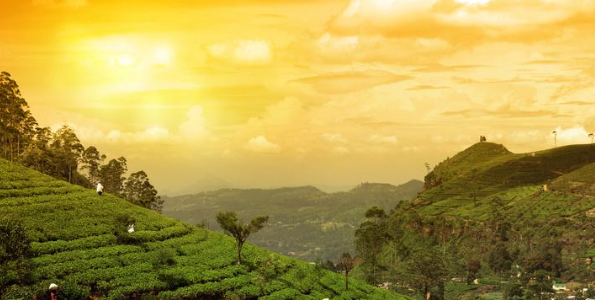
North Sikkim is the most dramatic and untouched region of Sikkim, where towering Himalayan peaks, frozen lakes, and vast alpine valleys create a landscape of rare beauty. Known for its extreme altitudes and pristine environment, the region is home to legendary destinations such as Gurudongmar Lake, Yumthang Valley, Zero Point, Lachen, and Lachung. Snow blankets the mountains for much of the year, while summer reveals colorful meadows, rhododendron forests, and glacial rivers. Beyond its natural grandeur, North Sikkim carries a deep sense of spiritual silence and resilience. Remote villages preserve ancient traditions, prayer flags flutter against icy winds, and life moves in harmony with nature’s rhythm. Accessible only with special permits, North Sikkim remains raw, sacred, and humbling—offering travelers not just scenic beauty, but a powerful reminder of nature’s scale and serenity.
“Where frozen lakes hold ancient prayer sand valleys bloom with quiet strength, North Sikkim teaches the art of stillness and survival.”
Gurudongmar Lake
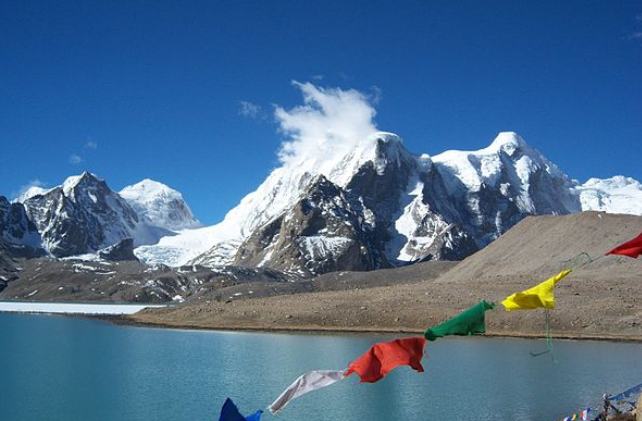
Gurudongmar Lake is a stunning, sacred, high-altitude alpine lake in North Sikkim, India, near the Tibetan border, renowned for its breathtaking blue waters, serene landscape, and spiritual significance to Buddhists, Sikhs, and Hindus, believed to have been blessed by Guru Padmasambhava and Guru Nanak, with a small part of the lake never freezing, accessible by road but demanding acclimatization due to its extreme elevation of over 17,000 feet.
Travel Essentials for 2026
- Permits: Only Indian nationals are allowed to visit due to its proximity to the Indo-China border. A Protected Area Permit (PAP) is mandatory and must be obtained in advance via a registered Sikkim tour operator.
Best Time to Visit:
- April to June: Ideal for milder weather and seeing the turquoise-blue water.
- October to November: Offers the clearest skies and sharpest views.
- December to February: The lake is mostly frozen; temperatures can plummet to -25°C.
- Access: The journey typically starts from Gangtok, with an essential overnight stay in Lachen (67 km from the lake) to acclimatize. Travelers must start from Lachen as early as 4:00 AM to reach the lake by mid-morning before heavy winds begin.
Health & Safety
- Altitude Sickness: Oxygen levels are nearly 40% lower than at sea level. It is strongly recommended not to stay at the lake for more than 30–60 minutes.
- Restrictions: Children below 5–10 years and adults over 60–65 years are generally advised against visiting due to the extreme altitude and thin air.
- Medical Precautions: Travelers often carry portable oxygen cans and consult doctors regarding medications like Diamox for acclimatization.
Sacred Significance
- The Unfrozen Part: A specific portion of the lake reportedly never freezes, even in temperatures below -20°C.
Legends:
Sikh: Many believe Guru Nanak Dev Ji blessed the lake during his travels to Tibet.
Buddhist: Guru Padmasambhava (Guru Rinpoche) is said to have touched the water in the 8th century to provide a year-round water source for locals.
Zero Point and Chopta Valley
In North Sikkim, Zero Point and Chopta Valley are two distinct high-altitude destinations located on separate travel circuits. While both offer stunning Himalayan landscapes, they are typically visited from different base villages.
“At the edge of the journey in North Sikkim, Zero Point and Chopta Valley reveal nature in its purest and most untouched form. Zero Point, where the road ends and the mountains take over, offers a raw and humbling view of snow-covered peaks, icy rivers, and endless silence. Just beyond, Chopta Valley unfolds as a peaceful alpine stretch, where green meadows, flowing streams, and towering mountains create a landscape of quiet beauty. Together, they remind us that sometimes the most powerful experiences begin where everything else ends.”
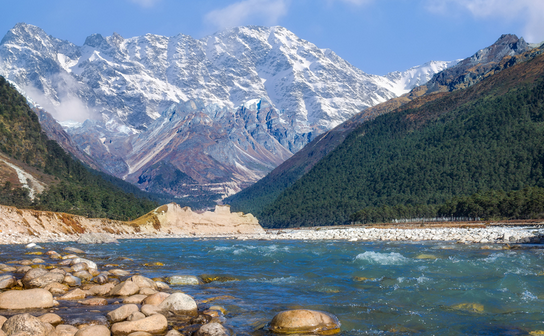
Zero Point (Yumesamdong)
Zero Point is the last civilian-accessible outpost near the Indo-China border in the Lachung circuit.
- Altitude: ~15,300 feet (4,663 m).
- Location: Approximately 23–25 km beyond Yumthang Valley and 51 km from Lachung village.
- Highlights: Renowned for near-permanent snow, the confluence of three rivers, and panoramic views of snow-capped peaks.
- Permit: Requires a Protected Area Permit (PAP). Foreign nationals are generally allowed to visit Zero Point but not certain other border zones.
Chopta Valley
Chopta Valley is a high-altitude alpine meadow located on the Lachen circuit, often visited en route to Gurudongmar Lake.
Permit: Mandatory for all; foreign nationals have restricted access and usually require a group permit.
Altitude: ~13,200 feet (4,023 m).
Location: About 39 km from Lachen village.
Highlights: Famous for its meandering rivers, grazing yaks, and vibrant alpine flowers in spring. It serves as a base for treks to the remote Muguthang Valley.
Shingba Rhododendron Sanctuary
The Shingba Rhododendron Sanctuary is a nature reserve in North Sikkim, specifically located within the Yumthang Valley. Spanning approximately 43 square kilometers, it is world-renowned for its vast collection of over 40 species of rhododendrons.
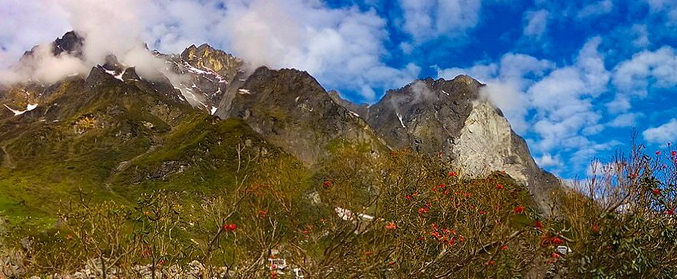
“Hidden in the heart of North Sikkim, the Shingba Rhododendron Sanctuary is a living canvas of color and calm. Home to countless species of rhododendrons that bloom in brilliant shades during spring, this sanctuary transforms the Himalayan landscape into a vibrant celebration of life. Surrounded by snow-fed rivers, alpine meadows, and towering mountains, Shingba invites visitors to slow down, breathe deeply, and reconnect with the gentle beauty of nature.”
Best Time to Visit:
- Peak Bloom (April – May): This is the ideal time to visit when the sanctuary transforms into a vibrant carpet of multicolored flowers. In late April and May, the azaleas and rhododendrons reach full capacity.
- Snow Season (November – March): The valley experiences heavy snowfall during these months. While it is beautiful, the roads often become inaccessible by January, which is the coldest month.
- Monsoon (August – September): Travel is generally discouraged due to heavy rainfall and frequent landslides that make the mountain roads dangerous.
Essential Travel Information
- Location & Access: The sanctuary is roughly 12 km from Lachung and about 150 km from Gangtok. It is typically visited as part of a North Sikkim tour package en route to Zero Point.
- Permits: A Protected Area Permit (PAP) is mandatory for all visitors. Foreign nationals must travel in groups of at least two and arrange permits through a registered Sikkim tour operator.
- Hours & Entry: The recommended visiting hours are between 8:00 AM and 3:00 PM. It is best to visit in the morning to avoid the heavy, chilly winds that often pick up after 1:00 PM. Entry to the sanctuary is generally free, but it must be accessed as part of an organized tour group.
Flora and Fauna
Wildlife: Birdwatchers can spot species like the Blood Pheasant (Sikkim’s state bird), Wood Snipe, and Hoary-throated Barwing. Small mammals like the Himalayan Marmot and the rare Red Panda also inhabit the area.
State Flower: The sanctuary is home to the Rhododendron niveum, the state tree of Sikkim.
Other Plants: In addition to rhododendrons, you can find Saxifrages, Primulas, Aconites, Poppies, and Gentians.
Chungthang, Singhik, and Thangu Valley
Chungthang,Singhik, andThangu Valley are key locations in North Sikkim, with Chungthang serving as a vital junction where Lachen and Lachung rivers meet, leading to popular destinations like Yumthang Valley (Valley of Flowers) and Gurudongmar Lake; while Thangu is a high-altitude village for acclimatization, and Singhik offers stunning panoramic views, particularly of the Kanchenjunga mountain. These spots showcase Sikkim’s dramatic landscapes, spiritual significance, and unique Himalayan culture, with Thangu known for its alpine meadows and traditional homes.
In North Sikkim, Singhik, Chungthang and Thangu Valley serve as critical milestones and scenic stopovers on the high-altitude circuit toward Gurudongmar Lake.
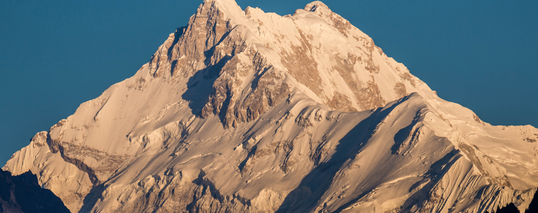
“Chungthang, Singhik, and Thangu Valley together reveal the soul of North Sikkim, where rivers, mountains, and ancient legends flow as one. Chungthang, blessed by the sacred confluence of rivers and spiritual folklore, stands as a gateway to the high Himalayas. Singhik offers one of the finest panoramic views of Mount Khangchendzonga, where snow-covered peaks rise in quiet majesty. Thangu Valley, resting high in peaceful isolation, welcomes travelers with vast open landscapes, alpine beauty, and a silence that soothes the spirit. These places remind us that the true magic of Sikkim lies in its harmony between nature, faith, and timeless beauty.”
Singhik: The Viewpoint (5,118 ft)
Located approximately 70 km from Gangtok and just 4 km before the district headquarters of Mangan, Singhik is the first major scenic stop in North Sikkim.
- Highlight: Offers one of the most unobstructed panoramic views of Mount Kanchenjunga and Mount Siniolchu.
- 2026 Travel Tip: Best visited in the early morning for clear views; it is a popular spot for photographers during sunrise.
Chungthang
: The Strategic Junction (5,870 ft) Chungthang is a historic town situated 95 km from Gangtok. It is the geographic heart of North Sikkim where the Lachen and Lachung rivers meet to form the Teesta River.
- The Fork in the Road: From here, the highway splits: the left road leads to Lachen (for Gurudongmar Lake), and the right road leads to Lachung (for Yumthang Valley).
- Sacred Legend: Home to the Holy Guru Lhedo, a rock bearing the footprints of Guru Padmasambhava. Legend says he blessed a small patch of land here to grow paddy, which still grows in an otherwise unsuitable climate.
- Permit Check: It serves as a major security checkpoint where permits are verified before heading further north.
Thangu Valley
: The High Altitude Hamlet (13,000 ft) Located 30 km north of Lachen and about 125 km from Gangtok, Thangu is a picturesque village that serves as the final acclimatization point before the final ascent to Gurudongmar Lake.
Photography: Note that photography is strictly restricted in certain areas of
Thangu due to its proximity to sensitive military bases.
Character: A rustic hamlet with traditional wooden and stone houses. It is much colder than Lachen, with temperatures often dropping below freezing even in early spring.
2026 Visit Protocol: Most travelers stop here for breakfast at roughly 7:00 AM while traveling from Lachen. Due to the extreme altitude, visitors are advised to spend 30–45 minutes here to help their bodies.