

“A crown may fade from power, but lineage lives on in memory, faith, and identity.”
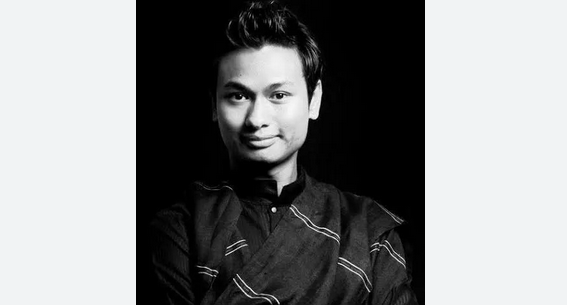
In the long and storied history of Sikkim’s Namgyal dynasty, the chapter following the end of monarchy in 1975 is one of quiet continuity rather than political authority. Wangchuk Tenzing Namgyal, the second son of Palden Thondup Namgyal, stands today as the symbolic heir to a legacy that shaped Sikkim for over three centuries.
A Royal Birth in a Changing Era
Born into the final years of Sikkim’s monarchy, Wangchuk Tenzing Namgyal inherited not a kingdom, but a legacy. His upbringing reflected a blend of tradition and modernity—deeply rooted in Himalayan Buddhist culture while also influenced by global education.
He studied at Harrow School, one of Britain’s most prestigious institutions, a path similar to many members of the Namgyal family who balanced Eastern heritage with Western learning.
Coronation Without a Kingdom
Following the death of his father in 1982, Wangchuk Tenzing Namgyal was ceremonially crowned at Tsuklakhang Palace on 19 February 1982.
However, this coronation marked a profound shift in meaning:
- It held cultural and traditional significance, not political authority
- It was not recognized by the Government of India
- It symbolized the continuation of lineage, not governance
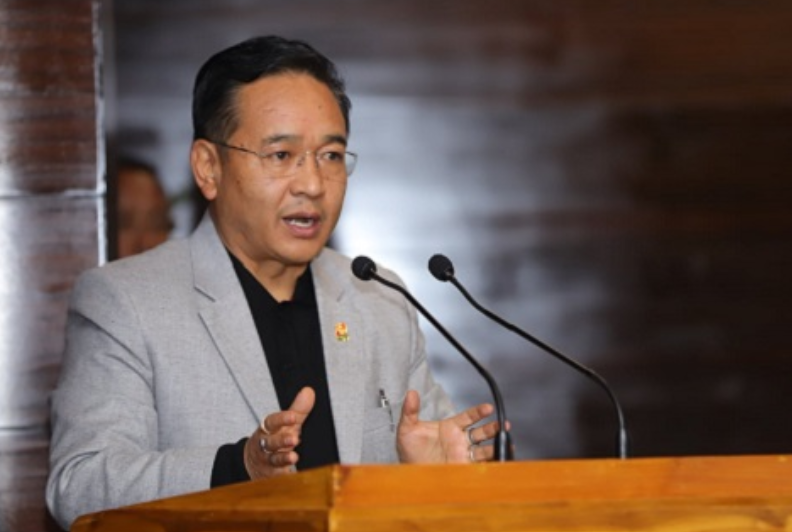
Interestingly, the then Chief Minister B. B. Gurung acknowledged him symbolically as the 13th Chogyal, reflecting the emotional and historical connection many people still hold with the monarchy.
A Life of Spiritual Withdrawal
Unlike his predecessors, Wangchuk Tenzing Namgyal chose a path away from public political life. After his coronation, he embraced a more monastic and spiritual lifestyle, reflecting the deep-rooted Buddhist traditions of the Namgyal dynasty.
This retreat into spiritual life highlights a defining transformation:
- From ruler to custodian of heritage
- From political figure to cultural symbol
For decades, he remained largely out of the public eye, reinforcing the idea that his role was no longer to govern, but to preserve identity.
A Rare Public Reappearance
After years of seclusion, Wangchuk Tenzing Namgyal made a notable public appearance in 2023 during the centenary celebration of his father’s birth in Gangtok. This moment was significant—not politically, but emotionally—reviving public memory of Sikkim’s royal past.
Legacy in Modern Sikkim
Today, Sikkim is an integral part of India, and the monarchy holds no constitutional role. Yet, the Namgyal dynasty continues to exist in a different form—through memory, culture, and identity.
Wangchuk Tenzing Namgyal represents:
- Continuity of tradition in a modern democratic state
- Cultural heritage rooted in Buddhism and Himalayan history
- A living link between Sikkim’s past and present
A Crown Beyond Power
The story of Wangchuk Tenzing Namgyal is not one of rule, but of remembrance. In a world where political systems evolve, his presence reminds Sikkim of its origins—of kings, monasteries, unity, and identity.
He does not reign over a kingdom, but he carries something equally enduring:
the legacy of a people, a culture, and a history that continues to live on.
“The throne may be gone, but the legacy remains—silent, sacred, and everlasting.”