



A Master Artisan Preserving the Spirit of Lepcha Heritage
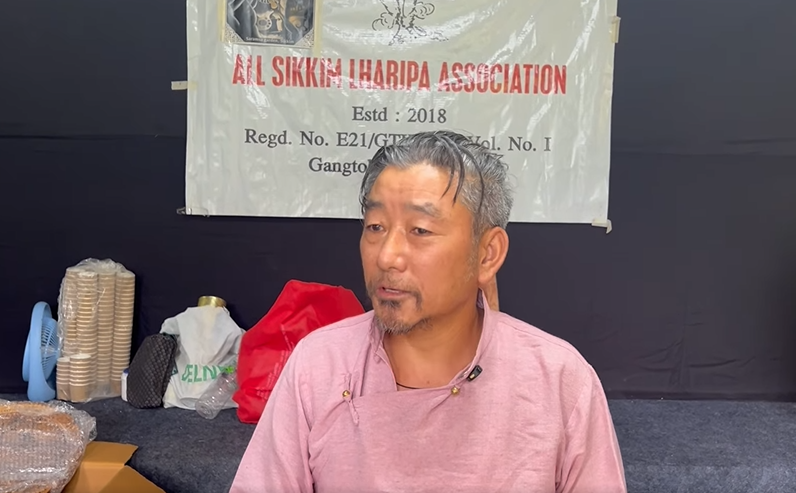
In the cultural landscape of Sikkim, where tradition and identity are deeply rooted in nature, Zamphel Lepcha stands as a guardian of indigenous artistry. A renowned contemporary master wood artist, his work is not merely craftsmanship—it is a living expression of the Lepcha worldview, shaped by mountains, rivers, and ancestral memory.
Through every intricate carving, Zamphel Lepcha keeps alive the artistic traditions of a people often called the “Children of the Snowy Peaks.”
The Roots of Lepcha Art and Identity
The Lepcha community, the original inhabitants of Sikkim, share a profound spiritual connection with nature. Their ancestral land, known as Mayel Lyang, is believed to be a sacred hidden paradise blessed with harmony and abundance.
This deep relationship with the natural world inspires Lepcha art:
- Mountains symbolize protection and strength
- Rivers represent life and continuity
- Forests embody spirituality and balance
Zamphel Lepcha’s work reflects these elements, translating nature into detailed wood carvings rich in symbolism and meaning.
Mastery in Wood Craft
Zamphel Lepcha is celebrated for his:
- Intricate detailing
- Precision craftsmanship
- Deep cultural symbolism
His carvings often feature:
- Traditional Lepcha motifs
- Mythological figures
- Nature-inspired patterns
Each piece is not just decorative—it carries stories, beliefs, and the spiritual philosophy of the Lepcha people.
A Cultural Movement of Preservation
Zamphel Lepcha’s contribution is part of a larger effort to protect Sikkim’s indigenous heritage. Alongside cultural icons like:
- Jordan Lepcha
- Sonam Tshering Lepcha
…he represents a generation committed to safeguarding traditional knowledge in a rapidly modernizing world.
Leadership and Community Role
As of 2025, Zamphel Lepcha serves as the Vice President of the Lharipa Association of Sikkim, an organization dedicated to:
- Supporting local artisans
- Reviving traditional wood-carving techniques
- Promoting indigenous craftsmanship
Through this role, he actively mentors artisans and encourages younger generations to reconnect with their cultural roots.
Art as Cultural Continuity
For Zamphel Lepcha, wood carving is more than a profession—it is a responsibility.
His work ensures that:
- Lepcha traditions are not lost over time
- Indigenous identity remains visible and respected
- Cultural knowledge is passed down through generations
In a world driven by mass production, his art stands as a reminder of the value of handcrafted heritage and cultural authenticity.
Legacy of the “Children of the Snowy Peaks”
The Lepchas’ identity is inseparable from nature, spirituality, and storytelling. Through his carvings, Zamphel Lepcha preserves this legacy—turning wood into a medium of memory and meaning.
His work is not just about preserving the past; it is about shaping the future of indigenous art in Sikkim.
Zamphel Lepcha’s journey is a powerful testament to the importance of cultural preservation. In every carved detail, he tells a story of identity, resilience, and belonging.
“From the forests of Mayel Lyang,
he carves not just wood—
but the living spirit of a people.”